


Transportation Design
The Master Course with an international profile that opens the door to a career in car design and the automotive industry
Turin
On campus
ENG
Master


Language
English
Start date
November 2025
Frequency
Full time
Fruition
On campus
Duration
2 Years
Price
First year 20.300 €
Second year 17.300 €
Find out the current facilitations
Anticipate the future of mobility, showcase your innovative solutions and design a 1:1 scale model in the capital of car design with the Master Course in Transportation Design in Turin
The Master Course in Transportation Design takes an in-depth look at the combination of form and function in the world of car design and gives you a specialised education in Car Interior Design and User Interface, User Experience and Car Exterior Design within a real working context in Turin, the world capital of style centres in the sector.
Individually and as part of a team, you will develop an innovative, experimental and highly technological mindset. This unique Master Course will help you to cultivate an open-minded approach, allowing you to anticipate and revolutionise industry scenarios and to imagine, create and produce the interior and exterior of a full-scale car model in collaboration with a partner company.
Information to decide
A course with an international vocation that helps students chart all the stages of the methodology used and a real project
The Master Course in Transportation Design integrates theoretical knowledge and work experience by means of critical thinking in which research and projects are strongly focused on innovation and the development of revolutionary design applied to the automotive sector.
Over the two years you will come into contact with aspects of production, user interface, advanced manual and digital representation techniques, ergonomics and vehicle architecture, together with modelling techniques involving dedicated software. You will also explore all the stages of the design process with advanced activities integrated with UI, UX, Service Design, which are essential for exploring and experimenting with new mobility scenarios and sectors.
The increasing level of complexity will lead to a project brief with the objective of creating a 1:1 scale model with a Design Centre approach: from the concept to the interior and exterior design, to the use of materials, colours and finishes, feasibility studies and the most up-to-date rendering techniques. The Master Course concludes with an individual final project, an opportunity to express all the creativity and techniques acquired, a concrete tool for a professional presentation as well as an effective starting point for individual entrepreneurial initiatives.
The Master Course in Transportation Design is dedicated to anyone who intends to establish a future in the automotive industry with roles as designer, chief designer or modeller within style centres or studios operating in the sector.
Characterised by a strong international identity and an incredible variety of different backgrounds and experiences, the Master's course is aimed at international students with degrees in various design fields including engineering and industrial design as well as DAPL/DASL graduates, who want to acquire specific vertical training on the world of transport in all its forms and declinations, as well as to learn the technical tools used in the sector (e.g. Alias, Clay, Maya).
The Master Course is the ideal path for anyone who wants to discover and expand their professional range with an open-minded approach that includes transversal skills in areas such as interiors, exteriors, visualisers, colours and trims, UX, UI, intelligent mobility but respects and enhances your area of interest and inclinations.
The Master Course in Transportation Design is based in Turin, the cradle of Italy's leading car manufacturers and the world capital of car design. Prestigious names such as Pininfarina, Bertone and Giugiaro's Italdesign have made history here and the style centres of Jeep, Lamborghini and Suzuki are still based here.
The course gives you a unique experience unlike any other course of its kind in the world. You will visit company headquarters and production plants to learn about the technologies and processes involved in current projects, but above all you will get to work closely with the style centre of a partner company to participate in and observe all the creation and development phases of a 1:1 scale model, from the creation of the concept sketch to the design in its executive phase. The final thesis with an internationally renowned external client is the high point of a course of study that prepares you for your professional future.
The course's reputation and world-class international environment are backed up by the exceptional network of car designers who gather at IED and in the city of Turin for lessons, conferences, workshops and recruiting, as well as by the ongoing relationships with companies and design centres for the creation of your professional portfolio. The course will transform you into a professional figure in demand in multiple contexts: automotive companies, car design studios or interactive interface development companies.
Discover all the concept cars designed by IED Torino Transportation Design course.

Syllabus
first year
During the first year you will acquire the basic theoretical and design tools to produce a scale model. You will acquire the main techniques of manual and digital representation, ergonomics and architecture of a vehicle, together with modelling.
second year
The second year is focused on in-depth study: you will become familiar with all the stages of the design process with UI, UX and Service Design activities, use the Design Centre approach to produce a full-scale model and conclude your course with an individual final project that you will present to an external client of international relevance.
Faculty


Michele Albera
Transportation Design Area Coordinator
Course Coordinator

Antonio Nozza
Senior Advance Designer - Suzuki

Supreeth Fasano
Freelance Marketing Specialist

Jean-Batpiste Henry
Interior designer - Fiat

Alessandro Trombin
Senior Interior Designer - Italdesign

Alessandro Acciavatti
Senior Interior Designer - Automobili Lamborghini

Giampiero Vietti
Senior designer - CNH Industrial

Andrian Bodnari
Exterior Designer - JAC

Daniel Rizzato
Lead Interior Designer - Pininfarina

Mattia Savarino
Chief Designer - Futura s.r.l.

Armand Bentzen
Exterior Designer - Jeep

Masato Inoue
CEO - Masato Inoue Design & Consulting

Guillermo Rodriguez
Chief Operation Officer - LDA Design

Christian Capone
User Experience Designer - Italdesign

José Palena
Surface Modeler - TATA

Rafaël Chocron
Senior Exterior Designer - Torino Design

Joon Young Kim
Designer - Pininfarina

Vito Possidente
Senior Automotive Designer - ERRE Technology Group

Marco Pidò
Automotive Designer - Freelance

Danila Giordano
CMF INNOVATION & TREND FORECAST Manager - STELLANTIS

Umberto Niola
Automotive Engineering Consultant

Francesco Paglia
Freelance Automotive Designer
Inside the labs
+4
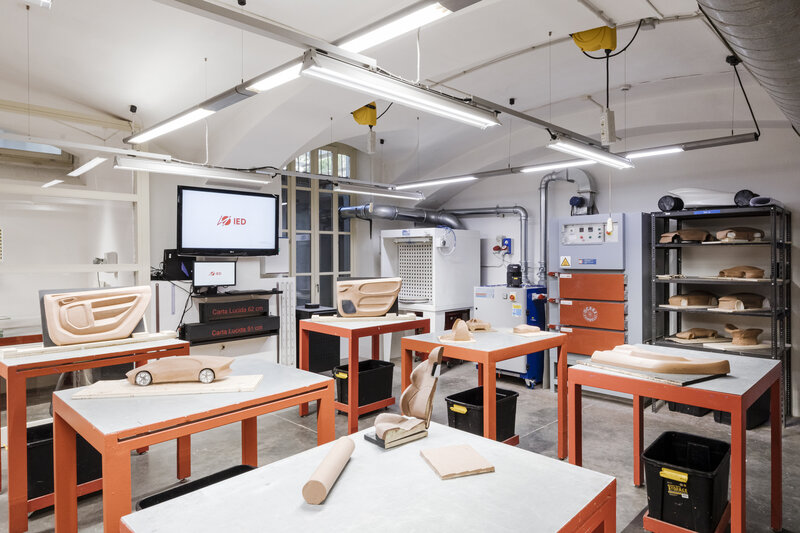
LAB CLAY
+9
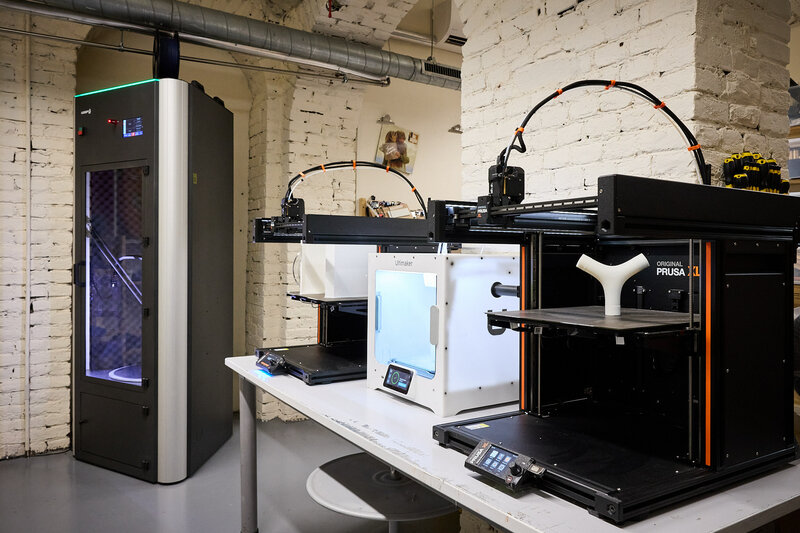
3D PRINT LAB
+3
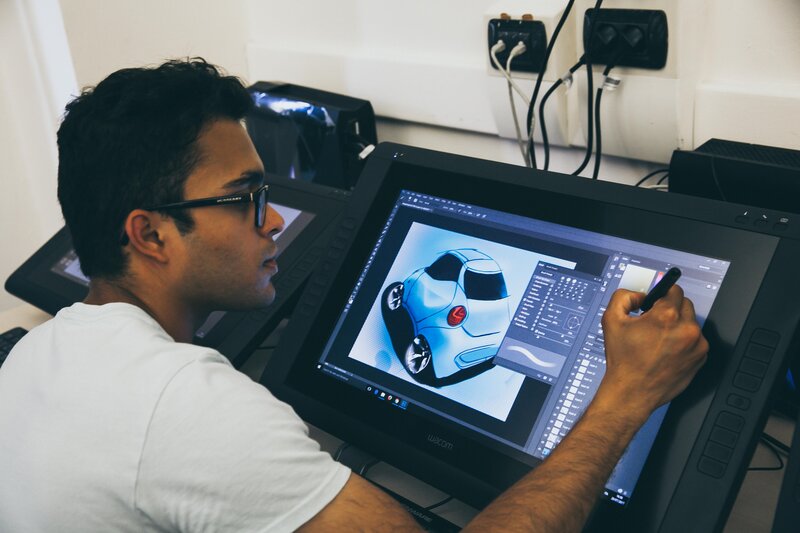
CINTIQ LABS


What people say

"One of the best thing that ever happened to me is when I landed in Torino nearly 20 years ago and I made really good friendship there. The city itself is very influential for the people who are interested in cars because the car culture in Turin is like the everyday thing."
IED Alumnus - Digital Sculptor at Apple
You may be interested in:


News


