A photographic and editorial project developed in collaboration with Festival della Letteratura di Viaggio, exploring migration in the Mediterranean through visual experimentation and participatory photography.

Mourning Tide
Thesis Project by M. Minafra - undergraduate course in Photography - IED Roma In collaboration with Festival della Letteratura di Viaggio
Academic year
2025/2026
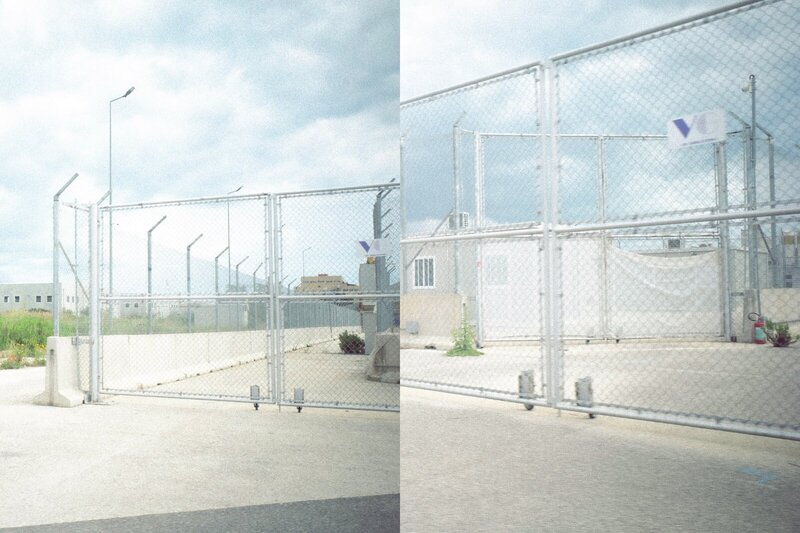
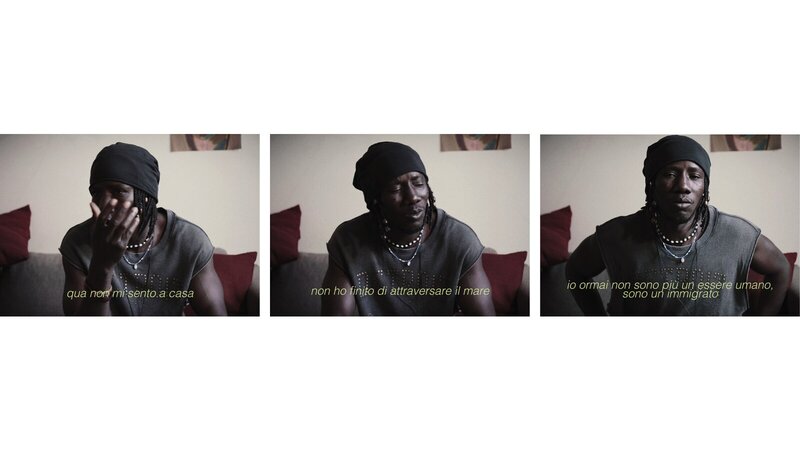
Often associated with holidays and tourism, the Mediterranean is also a place marked by migration, tragedy and lives lost or forgotten. This contrast lies at the heart of Mourning Tide, Miriam Minafra's thesis project, which uses photography to challenge the way migration is portrayed as a constant emergency and examine the political and institutional forces that contribute to the invisibility of migrants. Her research also questions the treatment of the South as a political periphery, a region considered expendable, while exploring the connections between identity, memory and the right to representation.
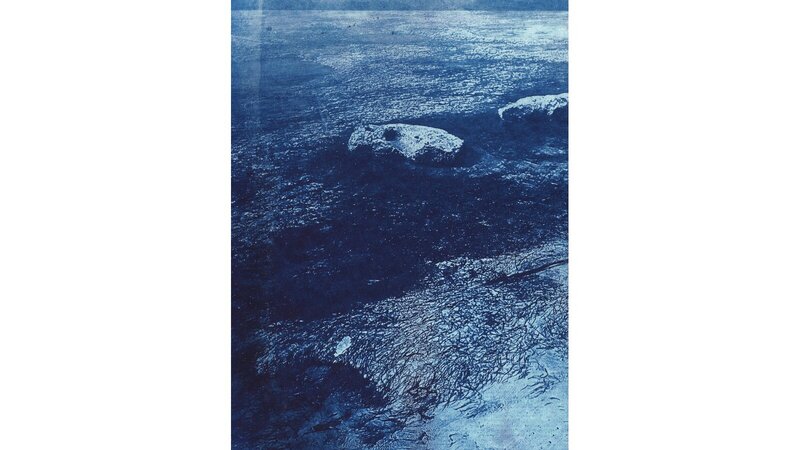
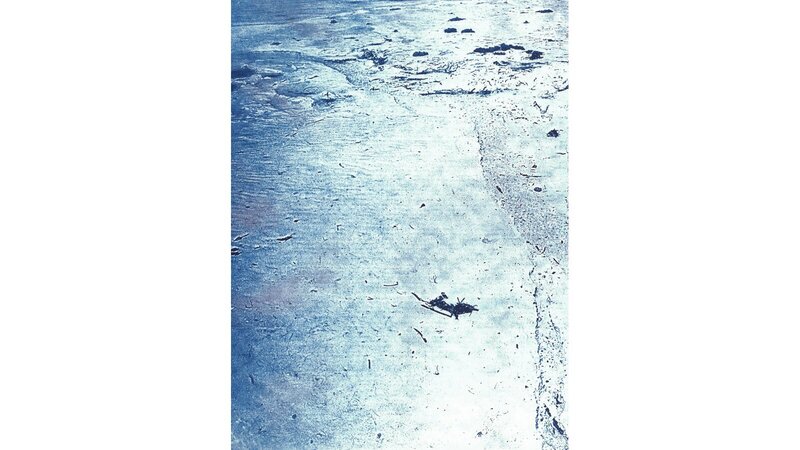
Developed in collaboration with Festival della Letteratura di Viaggio, the project takes the form of two complementary, thread-sewn volumes, each offering a different perspective on the same subject. The first brings together theoretical and documentary research alongside photographic experimentation with cyanotype printing, an analogue technique that plays a central role in the project's visual language.
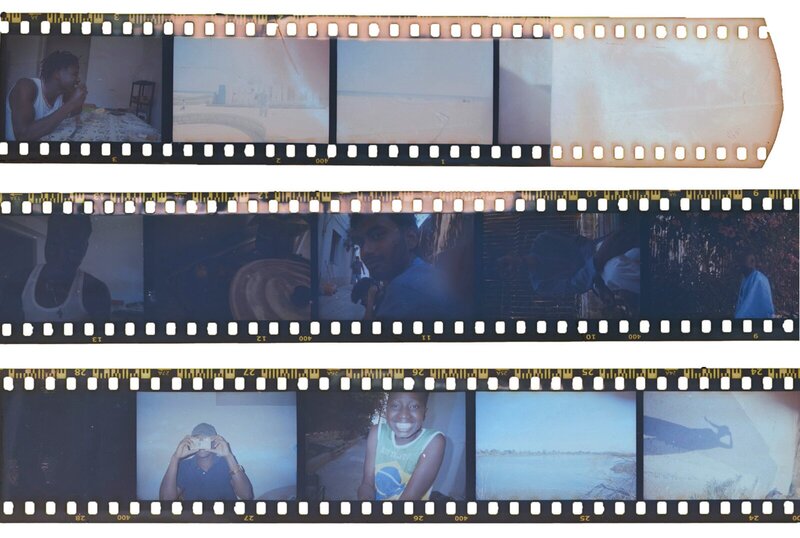
The second volume marks a radical shift in perspective and research approach. Conceived as an entirely visual book, with no accompanying text, it emerges from a participatory analogue photography workshop held at a second-stage reception centre for migrants. Using disposable cameras, participants create their own images and tell their stories from their own perspective, moving beyond the media narratives and bureaucratic labels that so often define how migration is represented.
Contact sheets at the end of the first volume connect the two books, documenting the transition from Miriam's individual research to a collectively authored visual narrative. By contrasting documentary material with photography, words with silence, and the photographer's perspective with those of the participants, Miriam develops a distinctive photographic and editorial approach that brings visibility to experiences and identities often excluded from public narratives.


Project from the courses of
