This project explores how graphic design can shape our choices and proposes a more ethical approach to designing digital consent.

Accept. Reject. Think.
IED Kunsthal Bilbao - Student: Ane Gangoiti
Academic year
2025/2026
Every click we make within a digital interface appears to be a free choice. Developed as a Final Degree Project for the Official Bachelor's Degree in Graphic Design, the project uses cookie banners as a case study to examine the role of design in decision-making and promote a more transparent digital culture.
Cookie banners have become a routine part of our online experience, yet we rarely stop to consider how their design influences our decisions. This project investigates the role of graphic design in digital interfaces, demonstrating how elements such as colour, visual hierarchy, button placement and language can shape user behaviour.
The research identifies two contrasting approaches to designing digital consent. On the one hand, a design that nudges users towards a specific choice through visual cues and simplified interaction paths. On the other, a design that cares, presenting all options in a clear, balanced and understandable way to support genuinely informed decision-making.
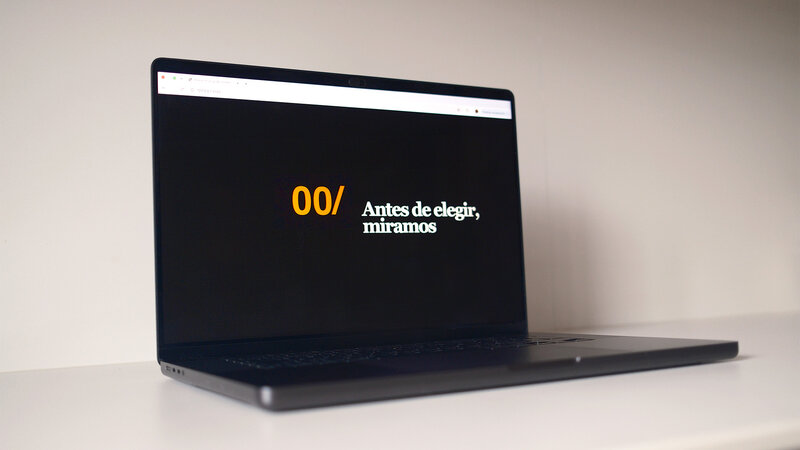
The project combines theoretical research, visual analysis of real cookie banners, the study of microcopy, interaction flow reviews and a bespoke A/B test comparing two versions of the same banner using different design strategies. The outcome is an editorial guide and an interactive landing page aimed at non-specialist audiences, encouraging a more critical understanding of digital consent while highlighting the role of graphic design in creating more transparent and responsible digital experiences.




Project from the courses of


