This project proposes a new approach to educational architecture through the lens of early childhood.

Beyond the Classroom
IED Kunsthal Bilbao - Student: Irune López
Academic year
2025/2026
The environments in which we learn shape the way we explore, play and interact with the world around us. Developed as a Final Degree Project in Interior Design, this research explores how spatial design can become an active learning tool, encouraging movement, exploration and children's sensory development.
Classrooms are far more than places where knowledge is delivered. In early childhood, the physical environment plays an essential role in the learning process, influencing how children explore, relate to others and discover the world around them. Starting from this premise, the project reconsiders the role of architecture in early childhood education.
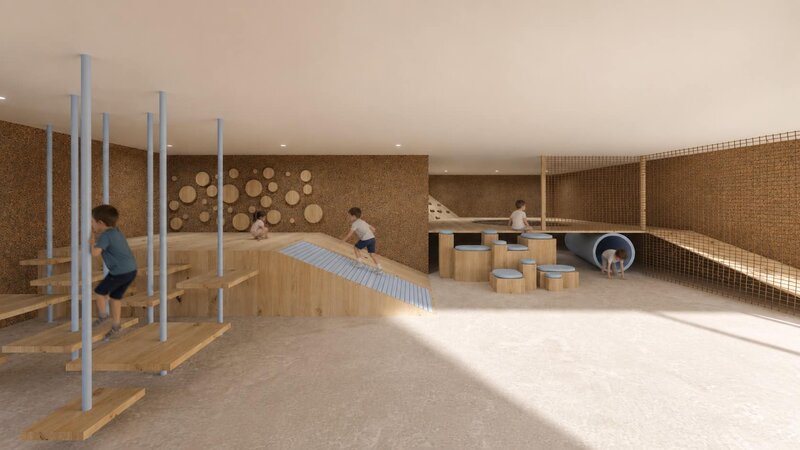
The proposal views the built environment as an educational agent capable of stimulating learning through movement, perception and sensory experience. Rather than treating the classroom as a static setting, it envisions spaces that encourage children to move, explore and interact, fostering a freer and more active relationship with their surroundings.
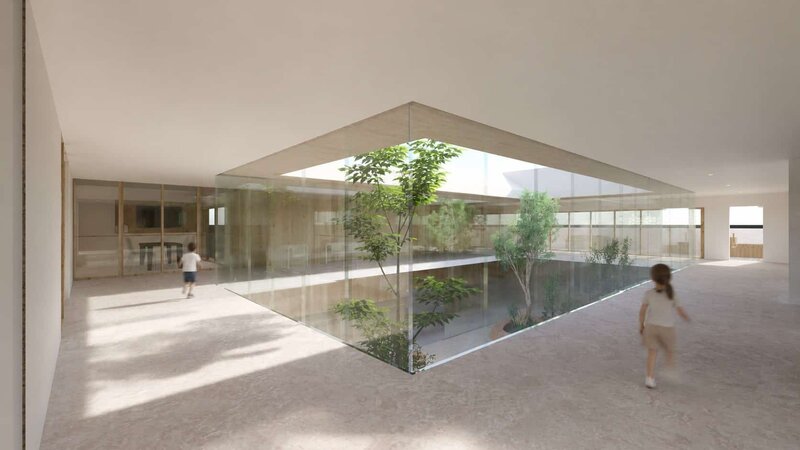
The project incorporates pathways, visual connections and a variety of spatial atmospheres that support open, participatory approaches to learning. In this way, architecture moves beyond being a simple container for educational activities to become an active element that supports children's cognitive, physical and emotional development during their earliest years.
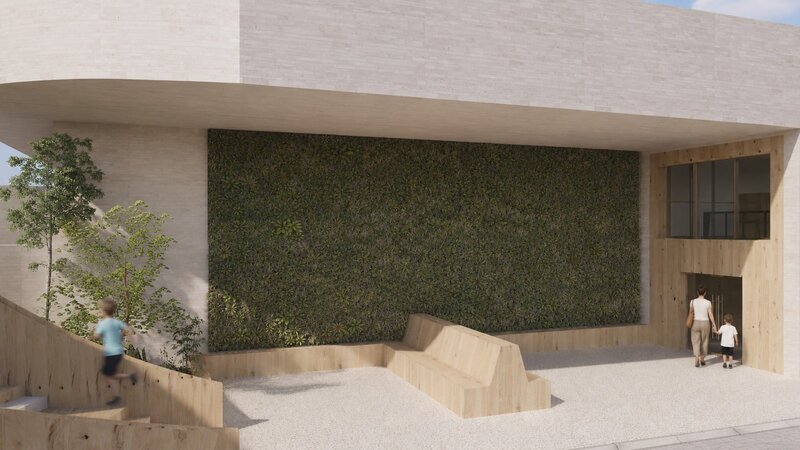
Beyond the design of a building, the project reflects on architecture's capacity to shape educational experiences, proposing spaces where learning also means exploring, moving and discovering.


Project from the courses of


