An inclusive communication project developed with Stamperia Regionale Braille and Polo Tattile Multimediale di Catania, making architectural heritage accessible to blind and visually impaired people through a new visual identity system and tactile publications.

Il mondo tra le dita
Thesis Project by S. Cosentino, M. Ciavarella, L. Crusafio, M. Lagonia e G. Rumè - Undergraduate course in Graphic Design and Art Direction - IED Roma In collaboration with Stamperia Regionale Braille ETS and Polo Tattile Multimediale di Catania
Academic year
2025/2026
How can graphic design make cultural heritage accessible when so much of it is traditionally communicated through images? This is the challenge explored by Sergio Cosentino, Maurizio Ciavarella, Luigi Crusafio, Matteo Lagonia and Giuseppe Rumè in their Thesis project, Il mondo tra le dita, developed in collaboration with Stamperia Regionale Braille ETS and Polo Tattile Multimediale di Catania. The five designers create a communication system that strengthens the visual identity of both institutions while opening up new ways for people to engage with cultural heritage.
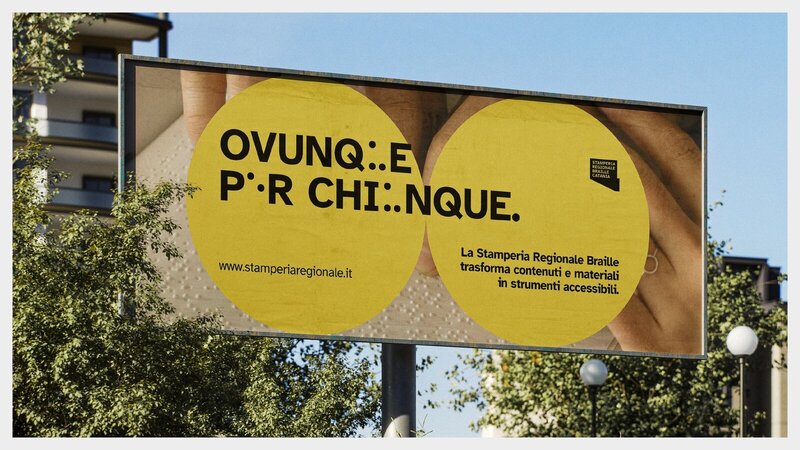
Their work begins with a redesign of the visual identity, including new graphic elements, typography and communication materials. Legibility and accessibility are central to the process, with a visual language that draws on Braille and introduces solutions for different audiences, bridging the gap between visual and tactile communication.
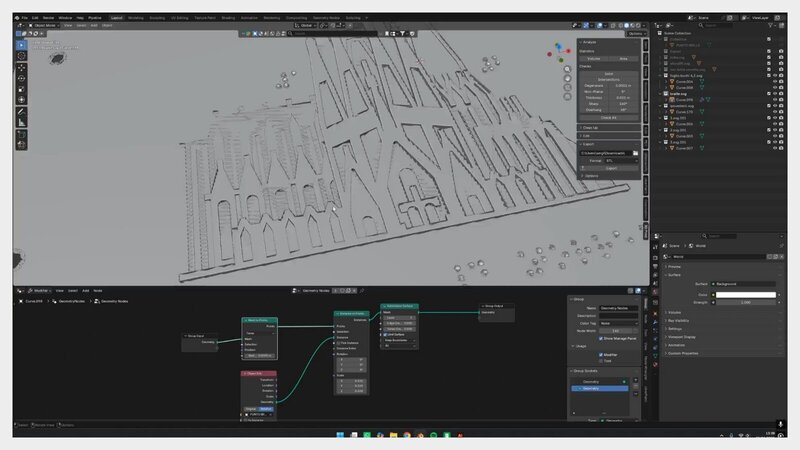
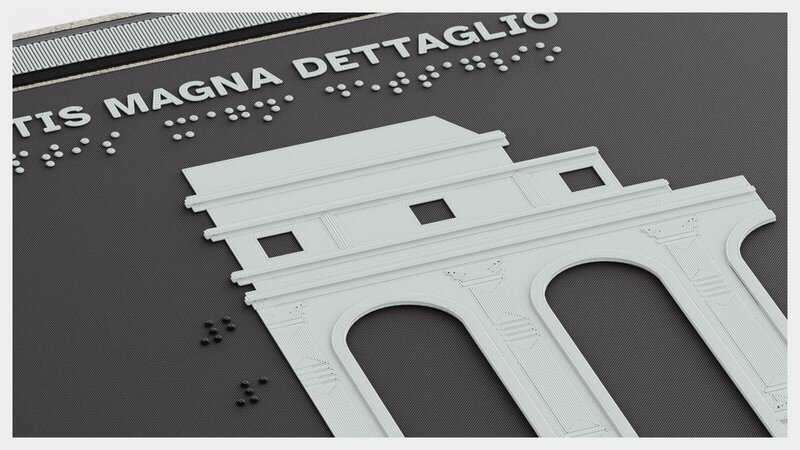
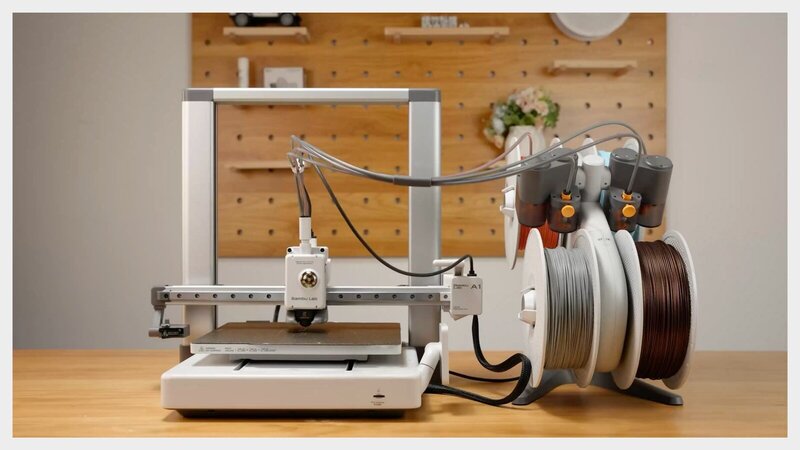
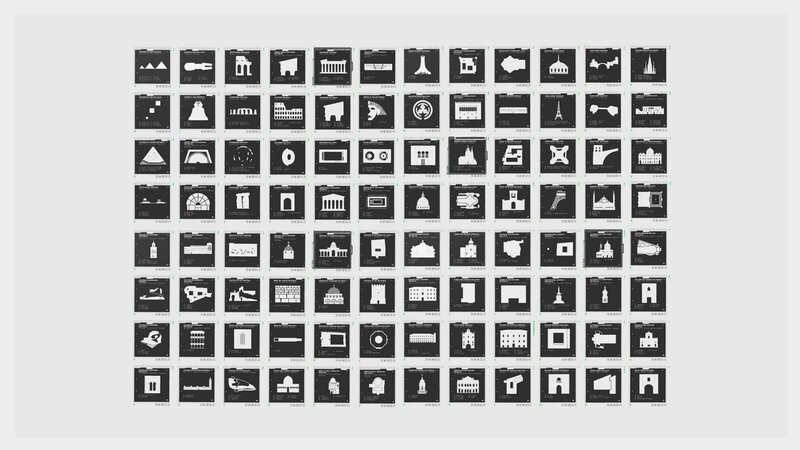
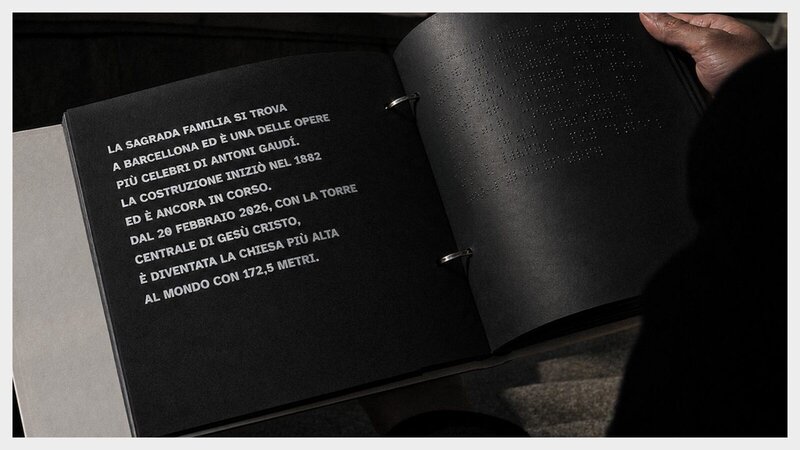
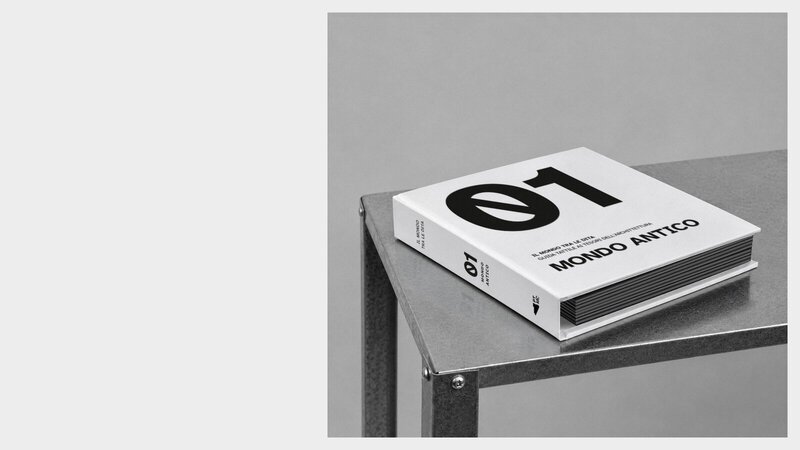
At the heart of the project is a boxed set of four volumes exploring the ancient world, the Middle Ages, the modern era and Catania's architectural heritage. Together, the publications feature 32 works and 106 tactile 3D-printed plates, organised to offer different levels of engagement and understanding. Combining Braille text, highly legible typography and raised architectural illustrations created through 3D printing, the students make the shapes, proportions and details of monuments accessible through touch.


Project from the courses of
