A project from the Master's Program in Design for Children, developed with MAGIS to imagine playgrounds that encourage exploration, autonomy and new possibilities for play.

Playgrounds with MAGIS
Didactical project - Master in Design for Children - IED Roma In collaboration with MAGIS
Academic year
2025/2026
Partner

How can design foster a truly free, open and autonomous play experience? This question sets the starting point for the work of students from the Master's Program in Design for Children, guided by designer Luca Boscardin and in collaboration with MAGIS. Tasked with designing furniture and structures for playgrounds, students also engage with practical considerations such as feasibility, safety, materials and the relationship with public space.
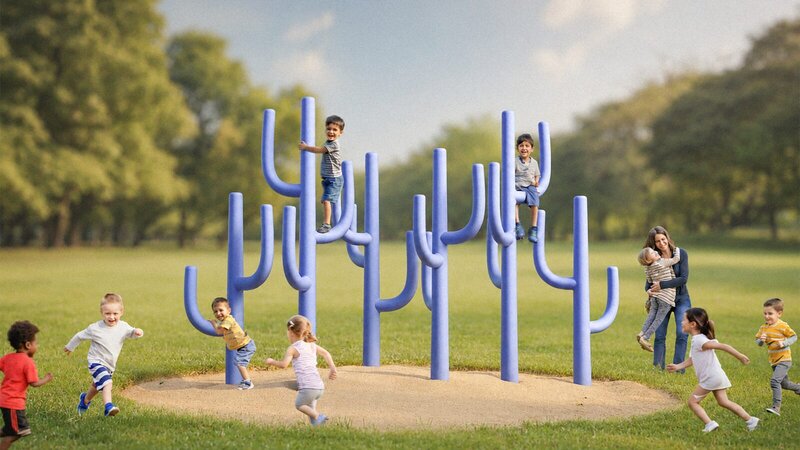
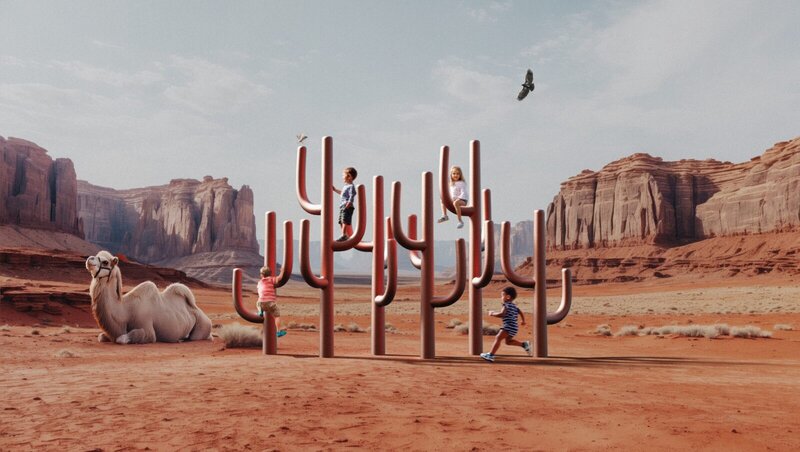
Building on this principle, students develop furniture and structures designed not to suggest a single use, but to open up possibilities. Their design process focuses on creating forms that can accommodate different actions: climbing, sitting, moving through, hanging, meeting, without turning them into fixed or predetermined functions. Each proposal is conceived as an open system, where proportions, supports, heights, surfaces and the relationships between elements become design tools to encourage autonomy, movement and imagination.
The resulting solutions move beyond the traditional distinction between play equipment, furniture and small-scale architecture. Students work on objects and structures that can simultaneously become play devices, places to pause and spaces for interaction, adapting to different ages, postures and ways of engaging with others. The result is a collection of proposals with different forms and configurations, united by the same intention: not to define play in advance, but to design the conditions for children to reinvent it each time.


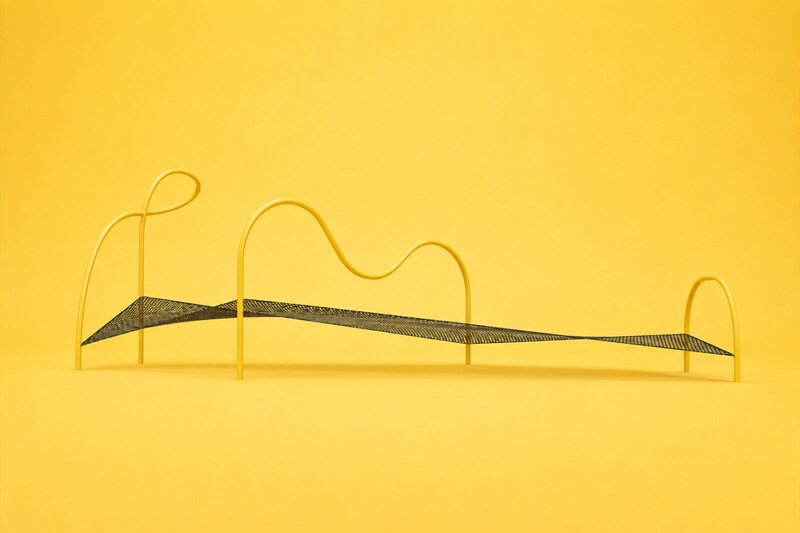
Alta Linea by Matteo Paglieri
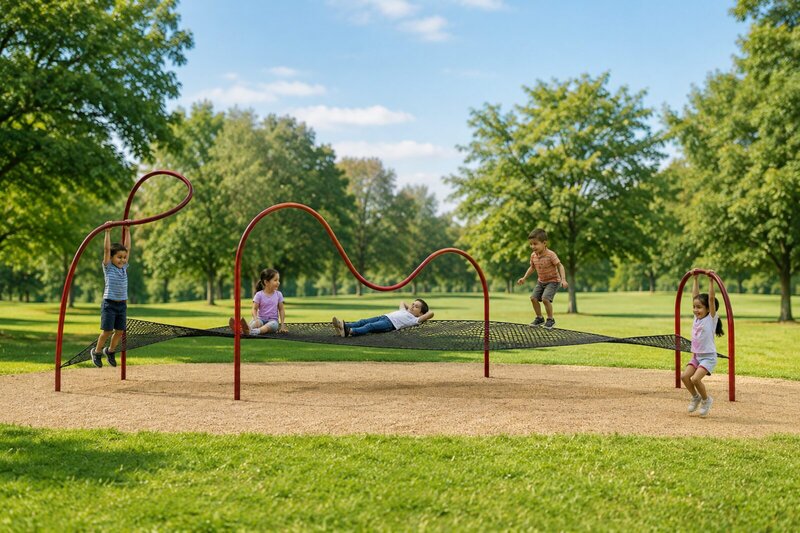
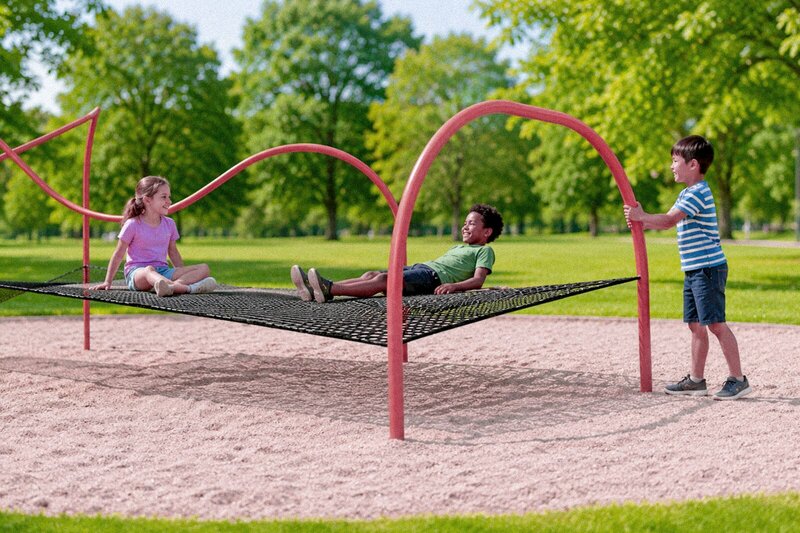
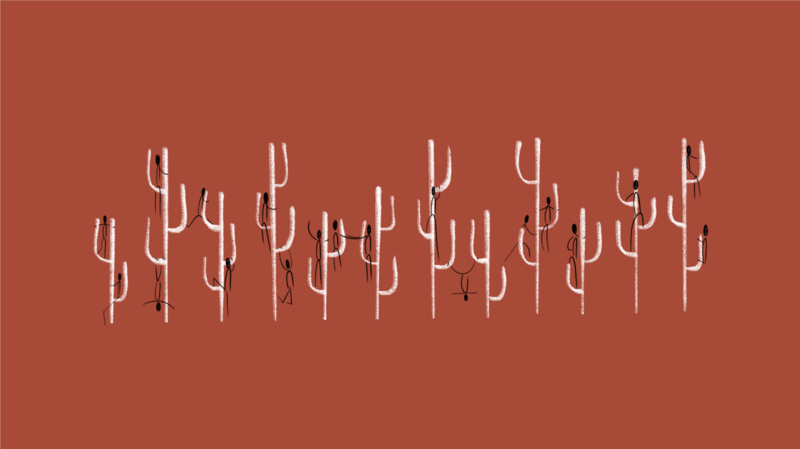
Desert Jungle by Luca Montanaro
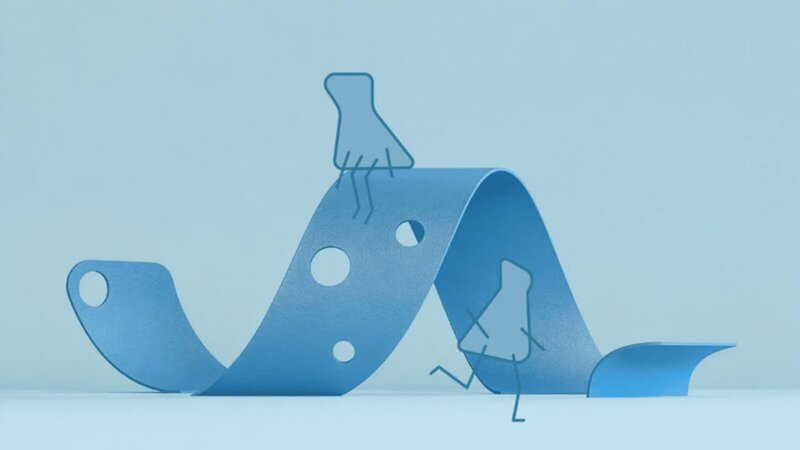
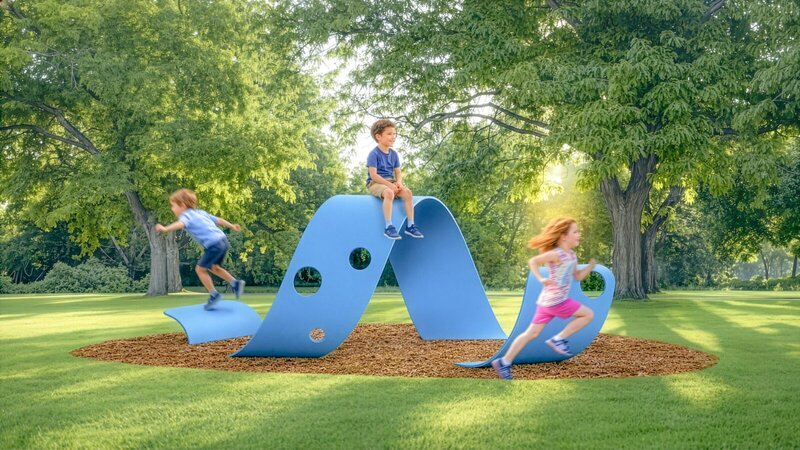
Serpentine by Riccardo Amore
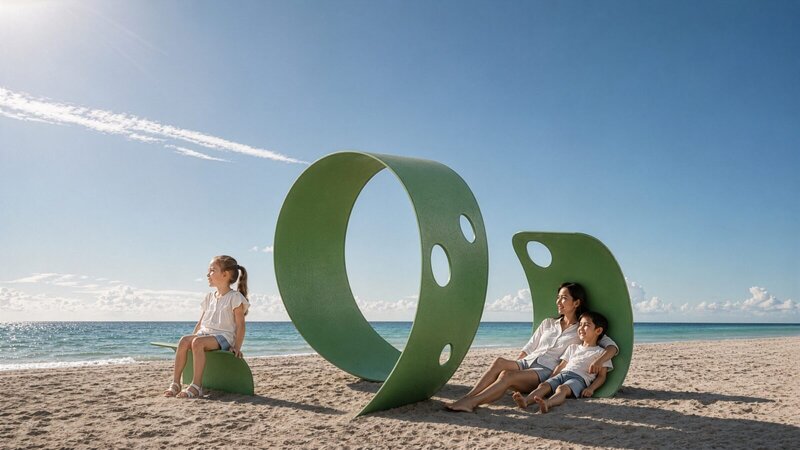
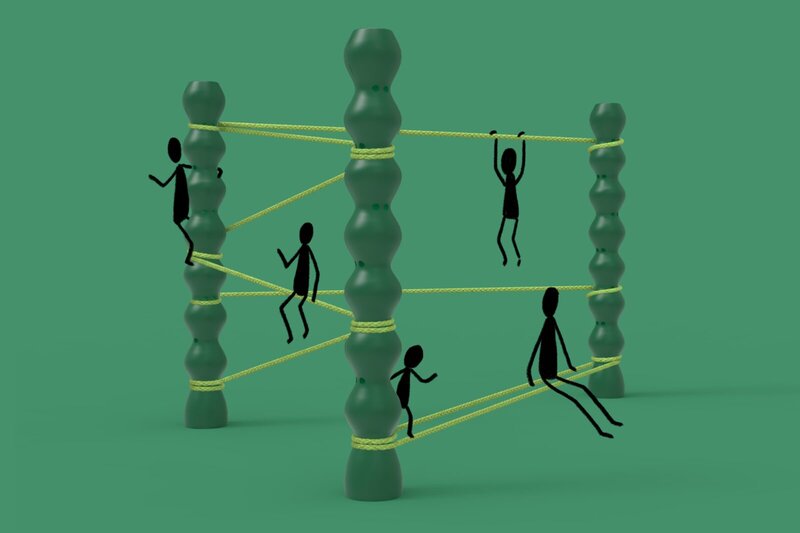
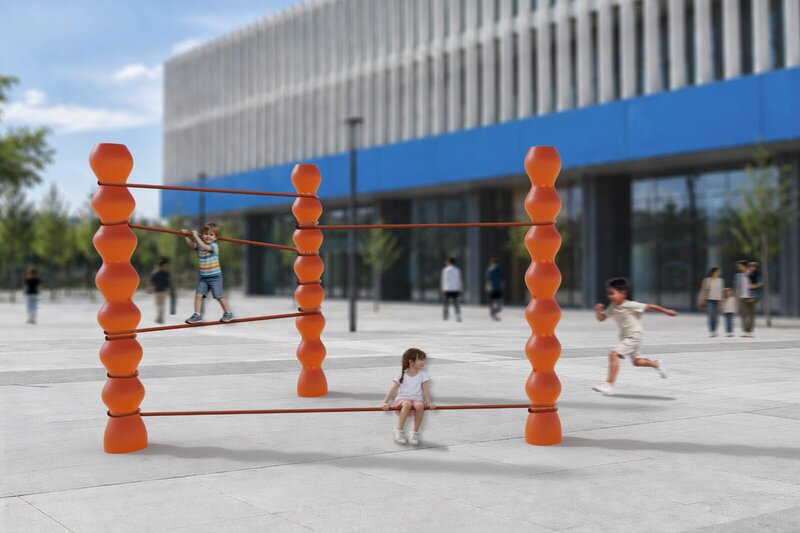
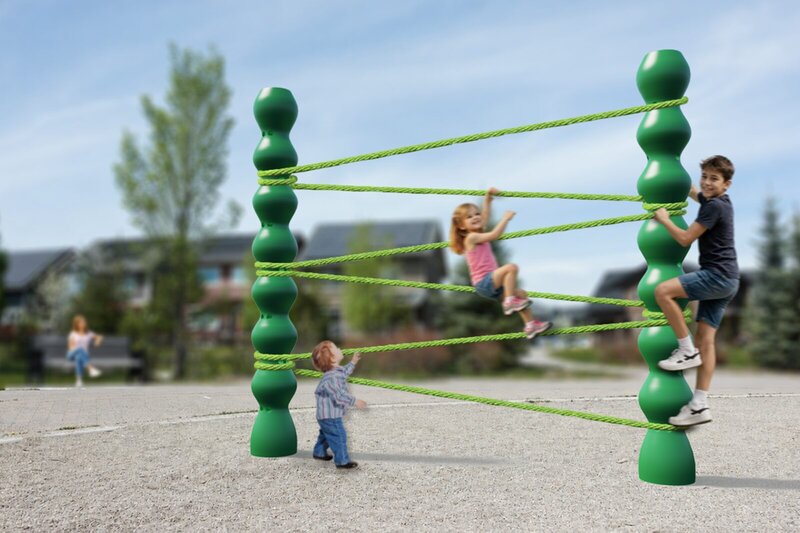
TraMe by Joanna Mondini
Project from the courses of
