This project demonstrates that the principles of the circular economy can also shape high-end products.

Simbiosis Industrial
IED Kunsthal Bilbao - Student: Pedro Comesaña
Academic year
2025-2026
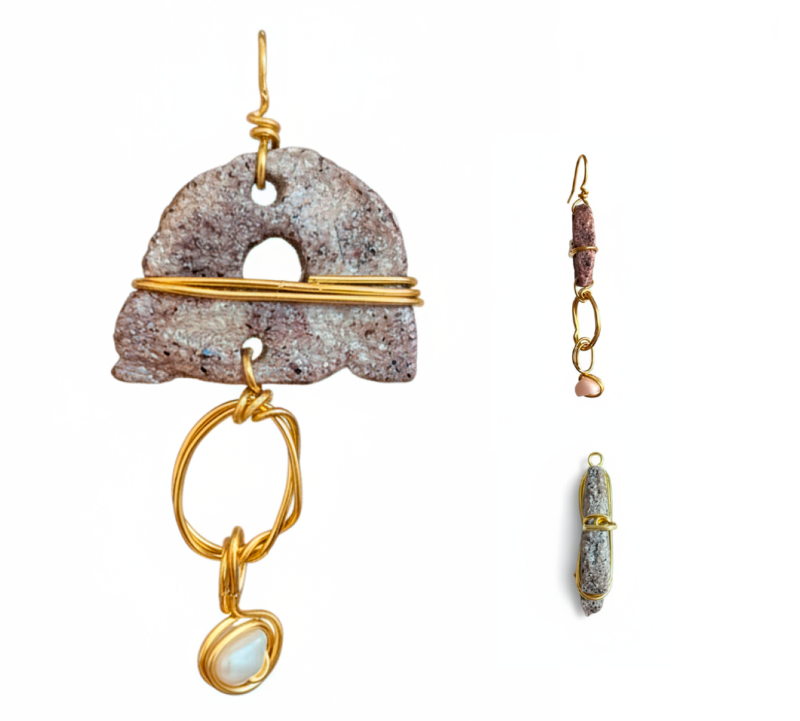
What happens when a material destined for landfill is given a second life through design? Developed by Pedro Comesaña as part of the Official Master's Degree in Product Design and Ecodesign, Musselry transforms discarded mussel shells from Galicia's canning industry into a new material for high-end fashion accessories, bringing together innovation, craftsmanship and sustainability.
Every year, Galicia's canning industry generates thousands of tonnes of mussel shells with very limited opportunities for reuse. In response to this challenge, Musselry proposes a new way of understanding this waste—not as a by-product to be discarded, but as the raw material for a circular design system.
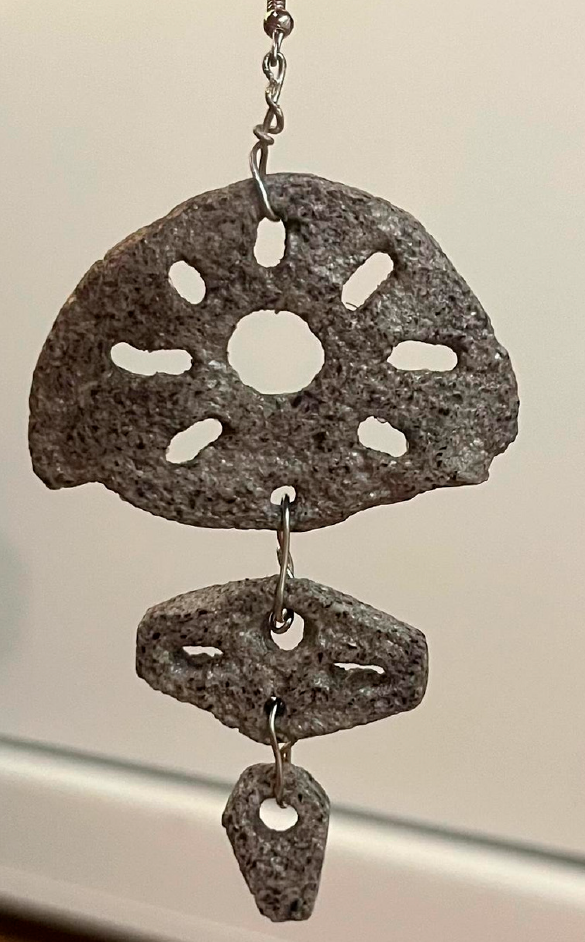
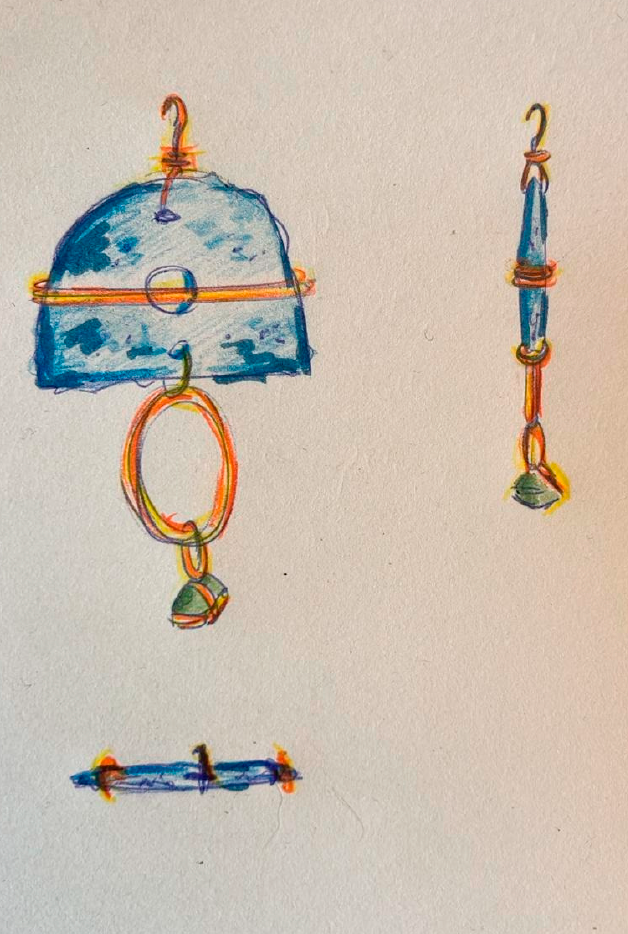
The project explores the transformation of mussel shells into a lightweight, drillable, biodegradable material with a distinctive stone-like appearance, suitable for jewellery and other luxury fashion accessories. The process combines biomaterial experimentation, digital fabrication and handcrafted finishing, creating a dialogue between Galicia's goldsmithing tradition and contemporary design.
Beyond material innovation, the project proposes a model of industrial symbiosis that connects the canning industry, artisan workshops and fashion brands. In doing so, it gives waste new economic and cultural value, demonstrating how ecodesign can generate innovative materials, strengthen local production and create new opportunities for a more sustainable industry.


Project from the courses of


