From the social fabric of Palermo to the island landscape of Alicudi, students on IED Torino’s Master’s programme in Social Ecological Design explored the role of design in shaping relationships between people, communities and ecosystems.

News
Sustainability
Beyond the Classroom: The Social Ecological Design Master’s Fieldwork in Sicily
Date
04 November 2026
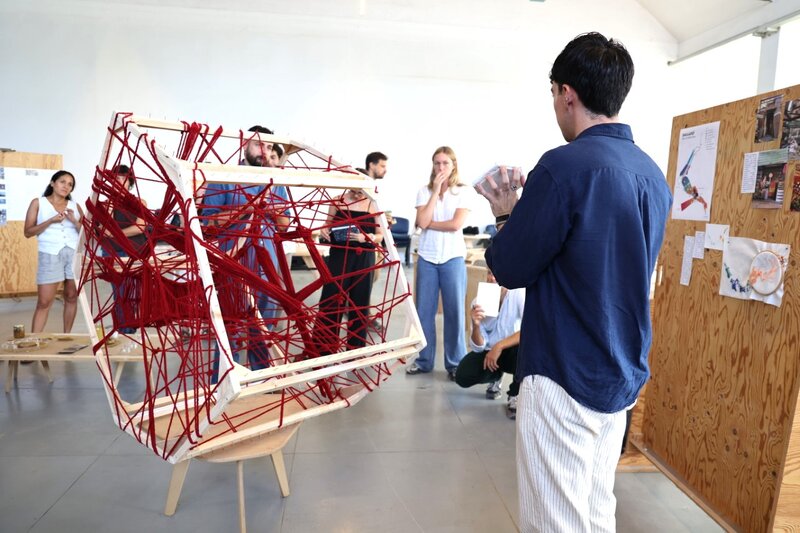
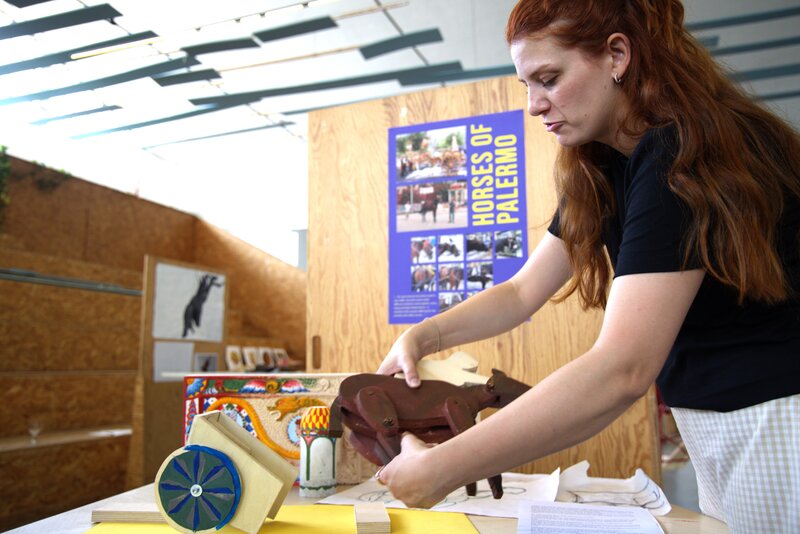
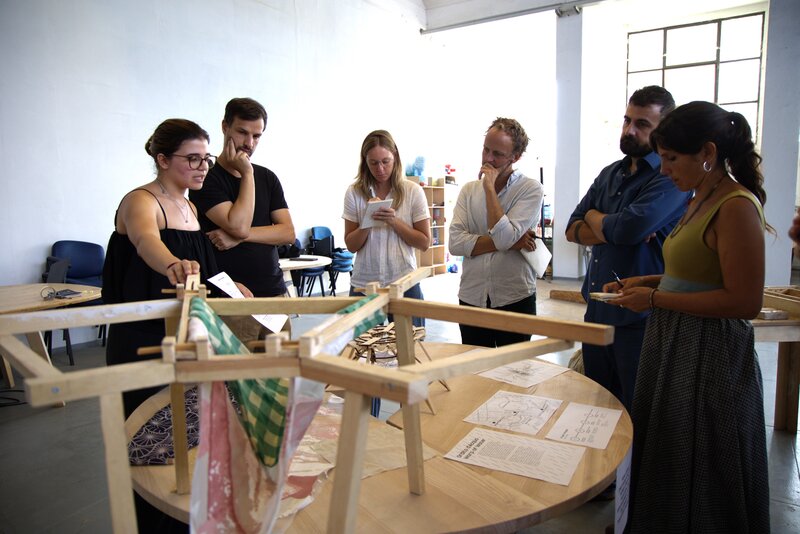
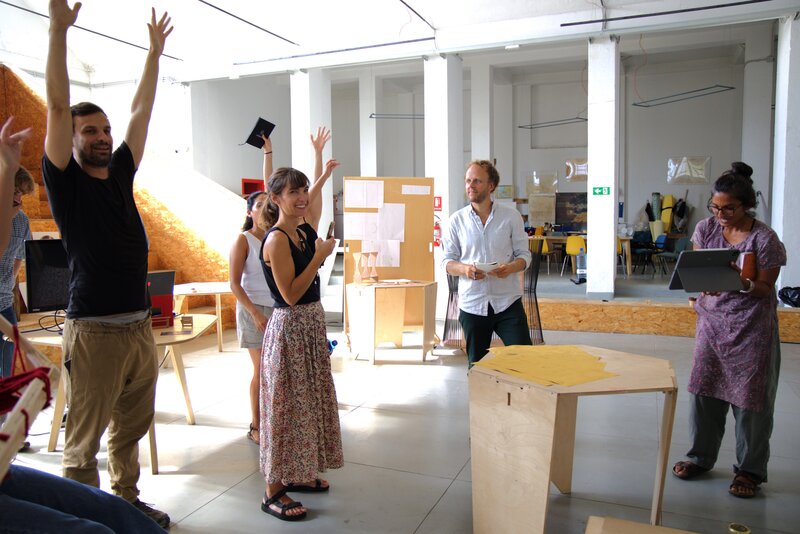
Between September and October 2026, this immersive experience took learning beyond the classroom, placing listening, observation and first-hand knowledge of local territories at its heart.
The Sicilian programme unfolded in two complementary stages.
Palermo: Design as a practice of connection
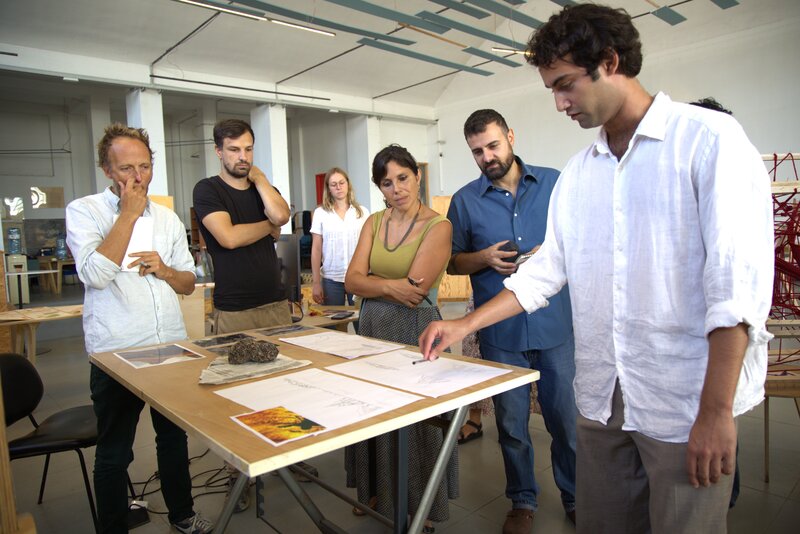
In Palermo, the Embedding Design in Social Practices module, led by Zeno Franchini, social designer and researcher, invited students to understand the city as a complex network of social and ecological relationships. Through lectures, meetings, visits and fieldwork, they explored the role of associations, markets, communities, informal economies and civic practices in neighbourhood life.
The aim was not to imagine design solutions to be imposed from the outside, but to understand existing dynamics and recognise the forms of care and collaboration that shape the territory. This approach sees ecology as a system of interdependencies, in which people, urban spaces, animals, plants and infrastructure all contribute to a shared network of relationships.
Alicudi: exploring, listening and learning through design
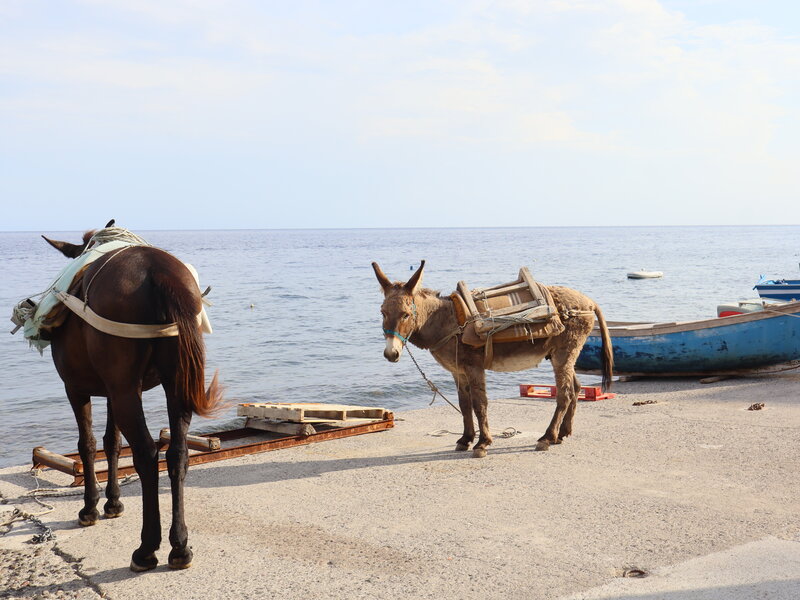
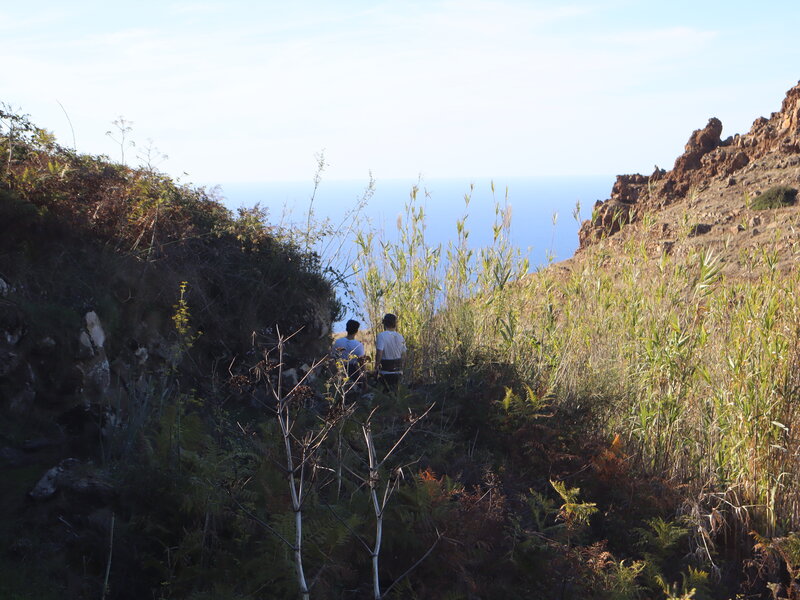
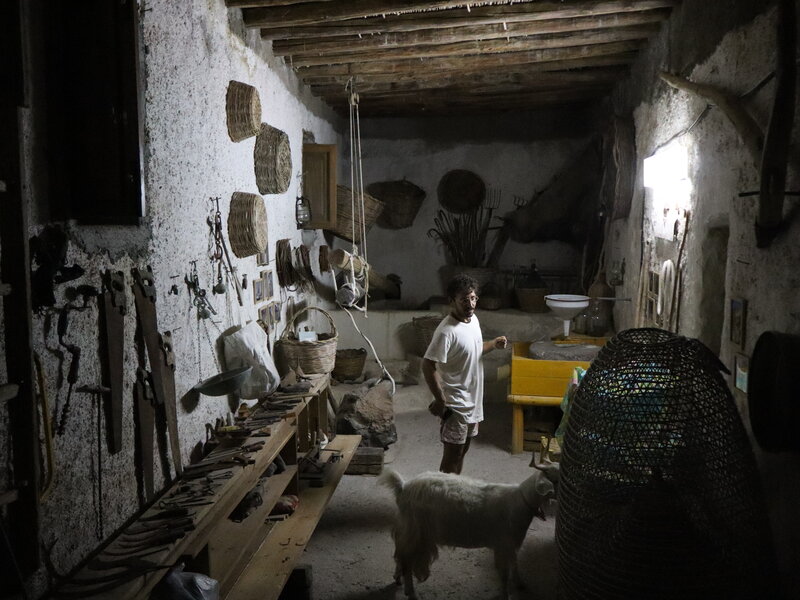
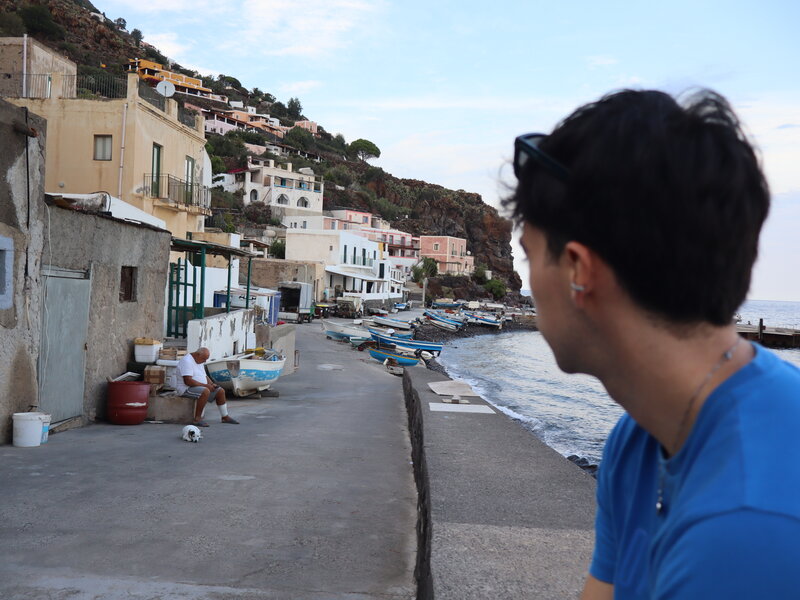
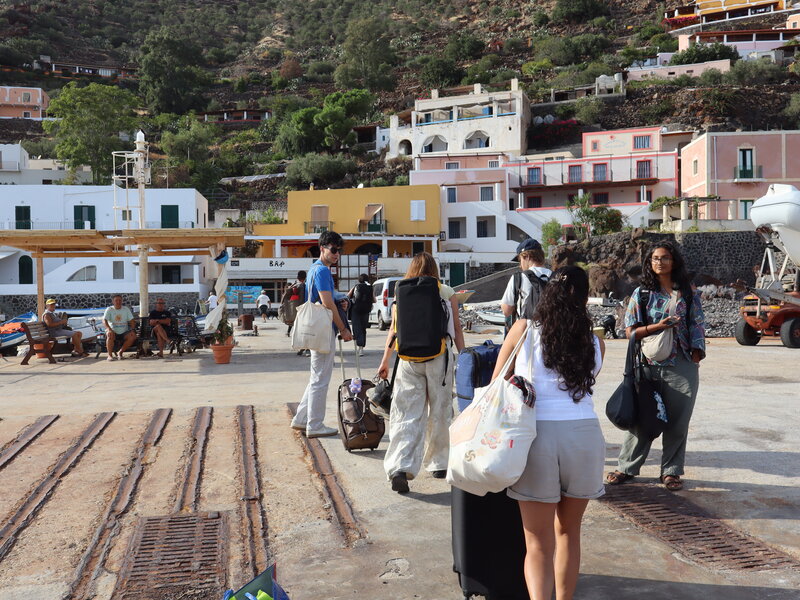
From 9 to 19 October, the group moved to Alicudi for the Sicily as a Reservoir module, curated and coordinated by Francesca Gattello, lecturer and social designer. The experience focused on discovering the island’s tangible and intangible heritage and exploring the relationships between landscape, resources and everyday practices.
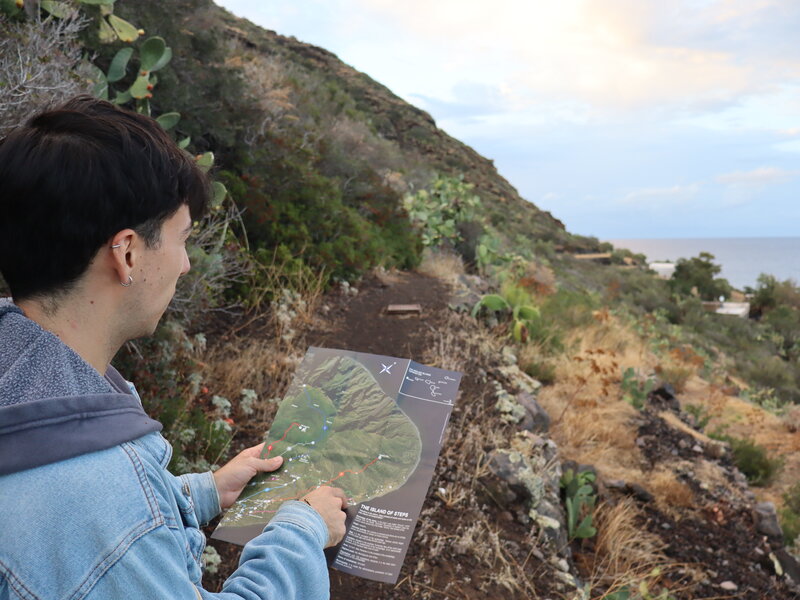
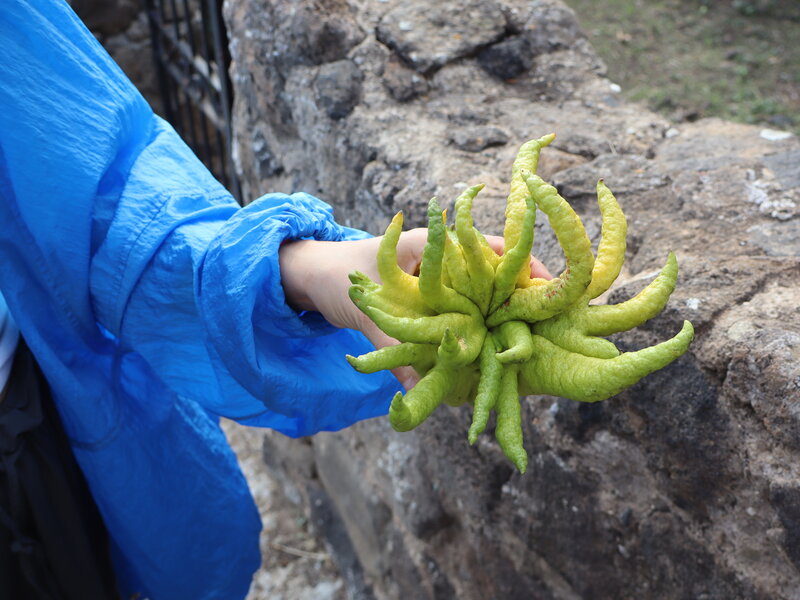
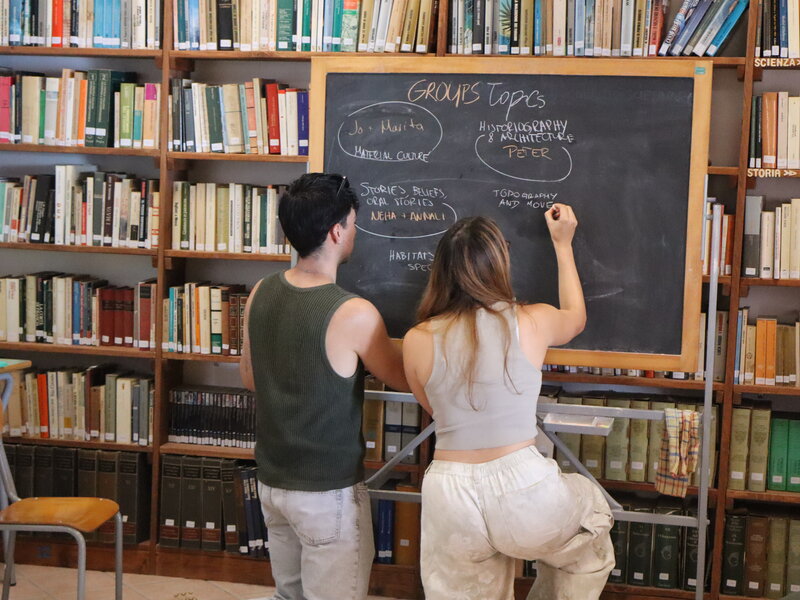
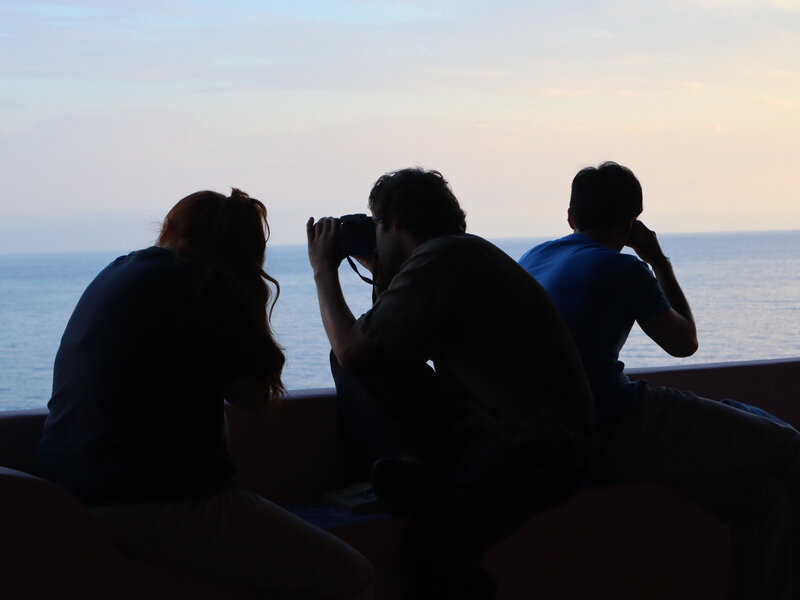
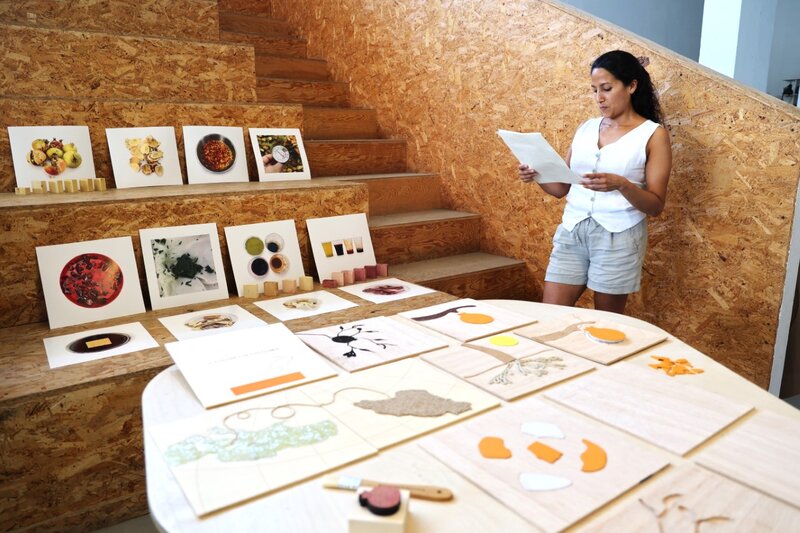
Through exploratory walks, conversations with residents, photography, drawing and mapping, students investigated different aspects of island life, including architecture, stories and beliefs, pathways, habitats, agriculture, food and material culture. This process of observation helped them understand the territory through its less visible heritage too, from objects and gestures to skills and everyday practices.
On 15 October, a meeting with Salina’s lower secondary school, its teachers and three classes provided a further opportunity for exchange as part of the collaboration between IED and I.C. Isole Eolie.
The research and materials collected have begun to take shape in the Alicudi Handbook, a multidisciplinary publication bringing together texts, images, maps, testimonies and contributions from field diaries. Scheduled for print in February, the handbook will convey the complexity of the island through different perspectives, providing a foundation for further research and opportunities for dialogue with the local community.
The experience in Sicily gave students the opportunity to put one of the Master’s programme’s core principles into practice: going beyond the classroom and traditional design models, and learning to design from relationships, contexts and the knowledge of the people who inhabit them. It offers a different way of understanding design, as a practice rooted in listening, responsibility and care for the commons.
This first iteration marks the beginning of a longer-term commitment to Sicily, one that will grow year by year through sustained relationships, shared cultural archives and situated forms of research developed in dialogue with the territories and communities that make them possible.


You may be interested in:


Related courses
