


Interior Design
Cagliari
ITA
First Level Academic Diploma in Design - Specialization in Interior Design
Language
Italian
Start date
October 2026
Frequency
Full time
Fruition
On campus
Duration
3 Years
Credits
180 CFA/ECTS
Course Coordination
Maurizio Bosa
The Bachelor of Arts in Interior Design at IED Cagliari explores emerging spatial languages through a multidisciplinary vision, where design becomes a critical tool capable of responding to contemporary complexity by connecting private and public, material and immaterial spaces. Attention to the local context – in its cultural, artisanal, social and professional dimensions – is an essential element in creating meaningful, rooted and innovative projects in a historical moment that continuously redefines living.
Course structure and contents:
The IED programme spans three years, during which design is integrated with cultural knowledge, dialogue with professionals, technical skills and innovative tools.
First Year: Introduces the theoretical and practical foundations of residential space design. The aim is to provide methodological and operational tools to address the themes of living, experimenting with new visual and expressive codes that connect individual, space, light, colour, materials and objects. Through a curriculum structured in design modules, technical tools and theoretical courses, students begin to build their own creative language and develop sensitivity towards the contemporary scenario.
Second Year: Shifts focus to temporary and permanent spaces: exhibitions, installations, objects and furniture become fields of experimentation to redefine the relationships between architecture, art, design and popular culture.
Teaching integrates design, digital modelling, graphics and 3D rendering with a broad cultural vision. Elective courses such as Communication, Digital Cultures and Creative Writing enrich the programme with contemporary themes.
Third Year: Addresses the complexity and indeterminacy of contemporary space. Interior designers are called to interpret fluid and transdisciplinary scenarios, developing projects capable of translating conceptual stimuli into sensitive and engaging experiences. The deepening of digital languages and interactive tools amplifies perceptual dimensions and proposes new spatial strategies. The curriculum includes Advanced Design, Virtual Architecture, Visualisation, Lighting Design, Cultural Anthropology and Phenomenology of the Arts.
Through dedicated projects, students may experiment with theatre scenography or housing solutions within transport systems.
The thesis represents the synthesis of the three-year programme: a complete and conscious project, the result of multidisciplinary work attentive to cultural, social, artisanal and material contexts. Thesis topics may range from Interior Design for hospitality (hotels, restaurants), commercial spaces (shops, showrooms), yacht design, exhibition and museum installations, to theatre scenography.

Faculty


Course Coordinator
Maurizio Bosa
Architect

Paola Riviezzo
Architect

Alessandro Cortes
Graphic designer

Francesco Careri

Nicolò Fenu
Architect e Urban Planner

Annalisa Cocco

Jorge Burguez
Architect

Roberto Cremascoli

Ferdinando Bifulco
Architect

Mauro Soddu
Architect

Mario Cubeddu

Angelica Spiga

Alessandra Pibiri

Stefano Ferrando
Photographer

Matteo Congiu
Product Designer

Mario Casciu

This is Acqua
Riccardo Uras e Chiara Velardita. A creative studio operating at the intersection of culture, events, and strategic project management.

Serena Trevisi Marceddu
Set designer

Francesca Rango
Architect

Andrea Cocco
Lawyer
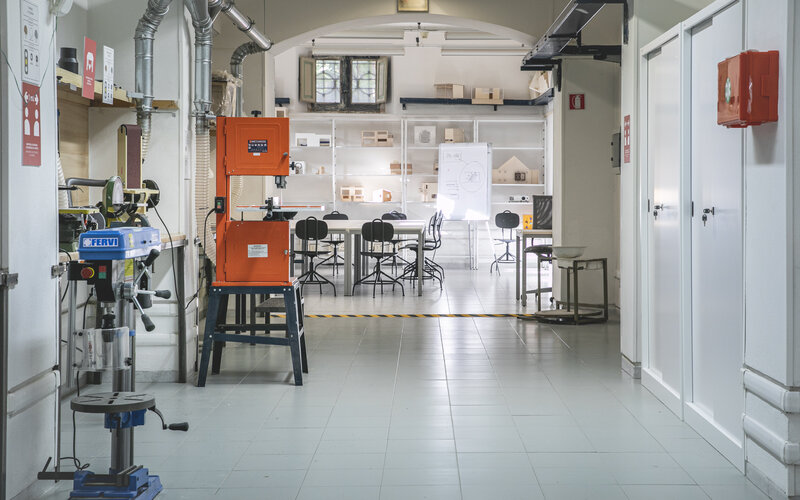
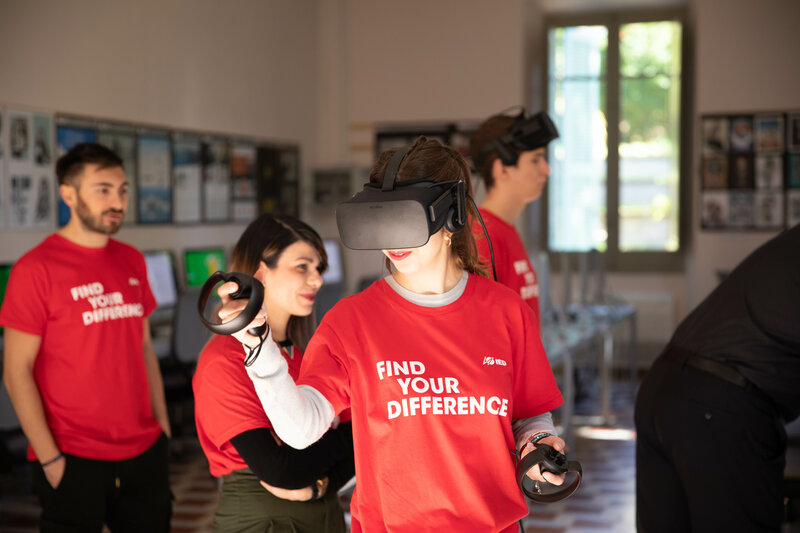
Inside the labs
+7
DESIGN WORKSHOP
+5
MEDIA LAB

You may be interested in:


News


Don't miss it


