


Interior Design
Florence
ITA
|
ENG
First Level Academic Diploma in Design - Specialization Interior Design
Language
Italian, English
Start date
October 2026
Frequency
Full time
Fruition
On campus
Duration
3 Years
Credits
180 CFA/ECTS
Course Coordination
Cecilia Chiarantini, Lavinia Modesti, Javier Deferrari
The Bachelor of Arts in Interior Design at IED Firenze investigates the relationship between space, individual and territory, with particular attention to local production contexts.
Teaching covers different types of projects – residential, commercial, exhibition and social – enhancing the analytical and critical skills needed to respond to complex briefs.
Course structure and contents:
The programme spans three years, during which design is integrated with cultural knowledge, dialogue with professionals, technical skills and innovative tools. The aim is to train students capable of experimenting with the different modes and expressive possibilities of interior design.
First Year: Builds a solid design methodology centred on domestic space. Learning begins with freehand drawing, evolves into digital representation and progresses to 3D modelling. Technical and graphic skills are consolidated, supported by studies in design history, materials and visual perception.
Second Year: Expands and deepens acquired knowledge, introducing advanced 3D modelling tools such as Rhinoceros and 3ds Max, and tackling more complex projects related to products and spaces. The relationship between human behaviour and designed space is explored, with attention to commercial, exhibition and sustainability dynamics. Theoretical and practical activities intertwine to refine critical thinking and strengthen the ability to respond to complex needs. Final projects reflect a synthesis of research, concept and realisation, using digital tools, physical prototypes and structured presentations.
Third Year: In the third year, the focus shifts to social and environmental issues, viewing design as a tool for well-being, inclusion and sustainability. Technical and communication skills are refined, along with the ability to choose effective presentation methods. The programme concludes with a thesis that demonstrates the capacity to manage the entire design process — from concept to realisation — across different types of contexts.

Faculty


Course Coordinator in Italian
Cecilia Chiarantini

Course Coordinator in English
Javier Deferrari
Architect

Matteo Fioravanti
Architect

Valentina Gensini
Art Historian

Elisabetta Grassi
Architetto

Eva Parigi
Architect and Designer

Antonino Marsala
Professor

Piero Angelo Orecchioni

Raffaella Oddo
Architect

Pietro Seghi
Architect

Annalisa Ignesti
Professor

Lorenzo Perini
Consultant and Professor

Francesca Pazzagli
Architect & Set Designer

Giulia Bartolozzi
Marketing consultant

Antonio Acocella
Architect

Marco Innocenti
Art Director

Luca Mazzari
Architect

Laura Moretti

Alessio Bertini
Responsible for the area of education, accessibility and special projects

Angelo Ruocco
Architect

Alberto Morselli
Architect

Sara Sbolgi
Product Designer

Laura Santoro
Architect

Imma Matera
Designer

Giorgio Franceschini
Graphic Designer

Filippo Garofalo
Authorized Rhinoceros Trainer

Francesca Sorgato
Professor

Marco Ferriani
Furniture Designer

Francesco Toselli
Product Designer

Sara Pelacchi
Professor

Giovanni Iozzi
Professor

Alessandra Castellani
Anthropologist

Veronica Caciolli
Art Historian, Curator and Professor

Cosimo Balestri
Architect

Michela Tonelli

Andrea Sicuro

Manfredi Mannucci

Colomba Pecchioli
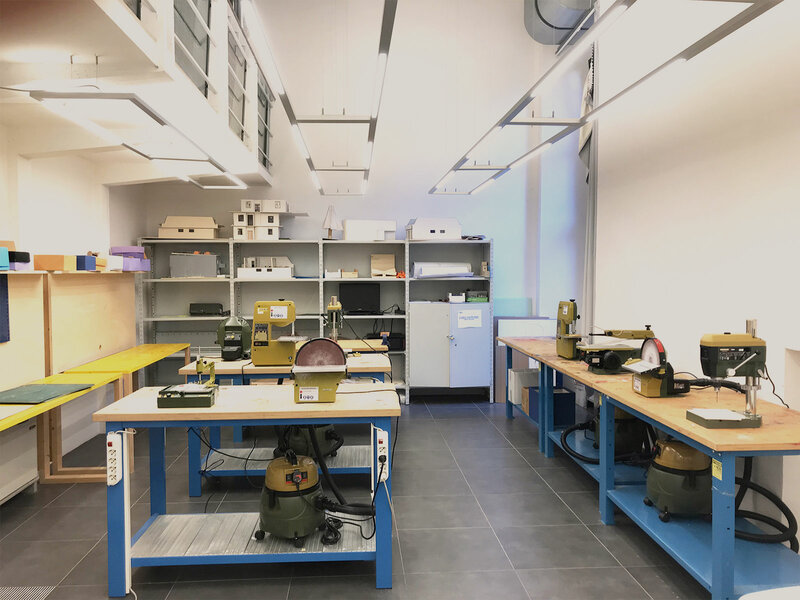
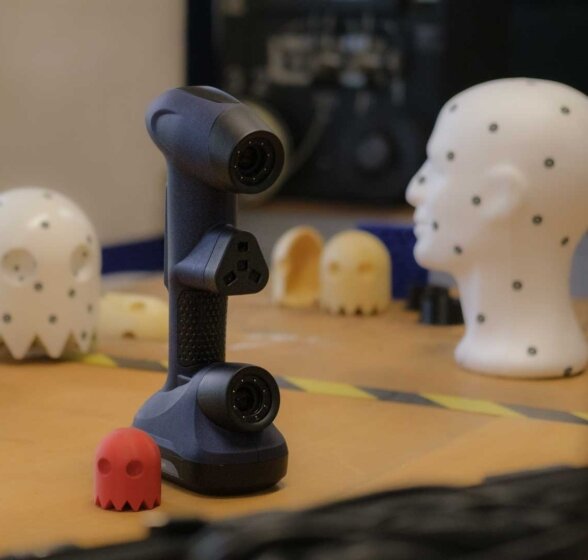
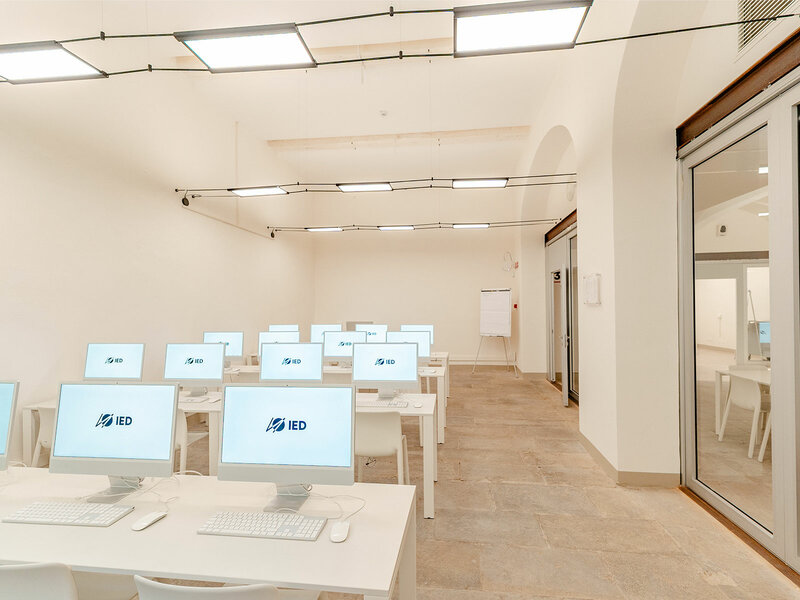
Inside the labs
+6
DESIGN LABS
+4
SCANNER LASER 3D - G-SCAN
+5
COMPUTER LABS

+4
WORKSHOPS PHOTO
Projects


Course partner

You may be interested in:


News


Don't miss it


