
Interior Design
Turin
ITA
First Level Academic Diploma in Design - Specialization Interior Design
Language
Italian
Start date
October 2026
Frequency
Full time
Fruition
On campus
Duration
3 Years
Credits
180 CFA/ECTS
Course Coordination
Luca Macrì
The Bachelor of Arts in Interior Design at IED Torino is built around a simple idea: design is what endures. Even before taking shape, a space tells the story of its materials, the gestures involved in creating it, and the people who built it and will inhabit it. Interpreting these elements means turning them into the substance of design. The programme does not teach students simply to decorate what already exists, but to read it, take it apart and reassemble it. Students work across a variety of contexts, from residential interiors to public spaces, with a particular focus on the social value of every project, even before its aesthetic impact.
Course structure and contents:
The IED programme spans three years. At each stage, students enter new territory, progressively developing the skills needed to represent and design spaces while building critical awareness through interaction with industry professionals and the use of increasingly advanced digital technologies.
The first year teaches students how to see. They explore the relationship between the body, space and scale through freehand drawing, axonometric drawing, perspective and their first 3D models. They are also introduced to AutoCAD, SketchUp, Photoshop, InDesign and Illustrator, learning how to translate what they observe into images and models.
The second year focuses on materials and their application. Students develop complete projects in a range of settings, including residential interiors, set design, pattern design and landscape projects. They also explore the relationship between volumes, furniture, colour, materials and building systems. Storytelling and material circularity evolve from theoretical concepts into practical design methods, while Twinmotion is introduced to create realistic visualisations of interior spaces.
The third year addresses the complexity of public spaces, including shops, hotels, offices and healthcare facilities. At the same time, students explore emerging approaches to contemporary living, adaptive reuse and regeneration. They also refine their technical skills using software such as V-Ray and Rhinoceros.
The final thesis project brings together everything learned throughout the programme. Students design a space through every stage of its development, working rigorously and independently on either an assigned topic or one of their own choosing. The final project is complemented by the creation of a professional portfolio, an essential resource for entering the world of work.

Faculty


Course Coordinator
Luca Macrì
lamatilde Partner Architect

Chiara Lionello
Architect and Researcher

Marco Ruffino
Partner studio lamatilde, Designer

Christian Villa
Founding partner of CIVICO13

Francesco Allasina
Architect, Lecturer, Business Designer, Gestalt Coach

Piergiorgio Italiano
Designer and founder of From outer Space

Anna Paola Buonanno
Interior Designer & PhD fellow

Maurizio Cilli

Davide Alaimo
Architect, Artist, and Curator
Inside the labs
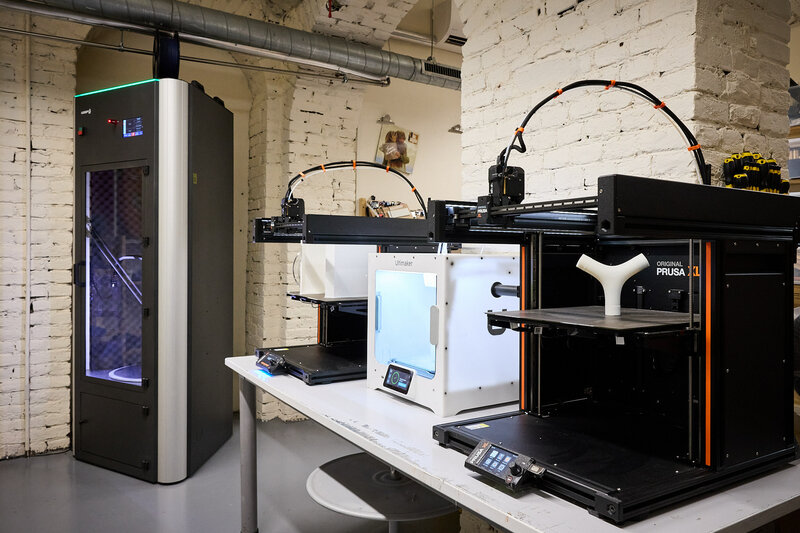
+9
3D PRINT LAB
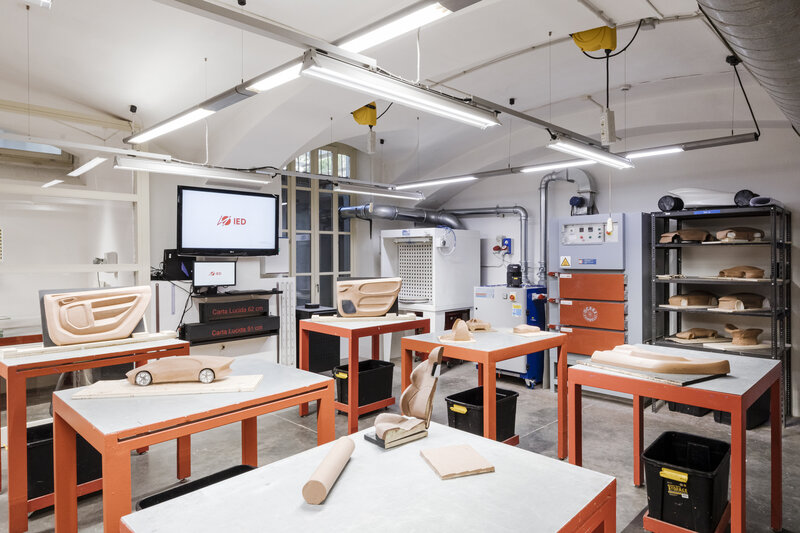
+4
LAB CLAY
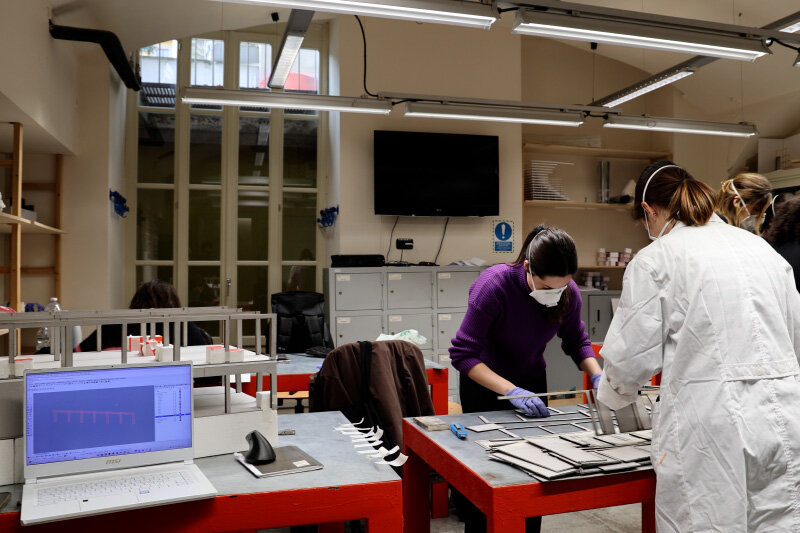
LAB DESIGN 1

+2
LAB DESIGN 2
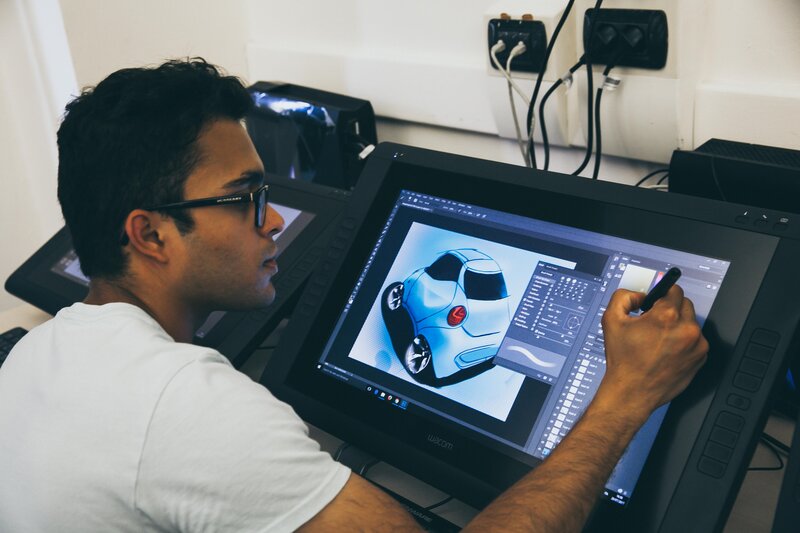
+3
CINTIQ LAB
Projects


You may be interested in:


News


Don't miss it


