


Transportation Design
Turin
ITA
|
ENG
First Level Academic Diploma in Design - Specialization Transportation Design
Language
Italian, English
Start date
October 2026
January 2027
Frequency
Full time
Fruition
On campus
Duration
3 Years
Credits
180 CFA / ECTS
Course Coordination
Michele Albera
The Bachelor of Arts in Transportation Design at IED Torino trains professionals capable of imagining and designing innovative vehicles, combining creativity, technical expertise and a strategic vision of the sector.
Studying in Turin means experiencing an immersive educational journey in the heart of italian car design, in a city that has shaped the history of the automobile and now looks ambitiously towards the new frontiers of sustainable, connected and intelligent mobility. Here, tradition merges with innovation, and every project becomes a laboratory for experimentation, imagining how we will move tomorrow.
The programme is structured over three progressive years, during which you will acquire solid design foundations, experiment with advanced tools and methodologies, and develop autonomy, versatility and critical thinking. From sketching to modelling, from concept research to the creation of physical and digital prototypes, and finally presenting professional projects in international contexts, each stage contributes to building a complete and competent profile.
Through real projects and collaborations with leading international designers and brands, you will learn to develop a personal design language and a strategic vision capable of interpreting the changes in contemporary mobility, which today ranges from cars to motorbikes, yachts and new forms of transport.
Course structure and contents:
First Year: Dedicated to acquiring the cultural, technical and design foundations necessary for a career in transportation design. Students study industrial drawing, sketching and manual and digital representation, deepening design methodologies and the study of vehicle constraints and materials. Training in two- and three-dimensional rendering techniques is complemented by courses in physical and digital modelling, essential for translating ideas into concrete visual concepts. The programme also includes theoretical subjects such as design history, theory of perception and gestalt psychology and automotive history, providing a cultural framework to understand the sector’s evolution and market dynamics.
Second Year: Focuses on advanced courses in digital and clay modelling and rendering, refining three-dimensional design techniques. Lessons in material technologies allow students to explore the technical feasibility of projects. Particular emphasis is placed on strategic design and branding, fundamental for understanding product positioning. Students may choose a thematic specialisation in areas such as interaction design, motorcycle design or yacht design.
Third Year: Consolidates previously acquired skills. Students address current topics such as the challenges of future mobility, alongside courses in communication and professional project presentation, preparing them to engage with the professional world. Throughout the programme, students learn to use professional software such as Alias, Photoshop, Blender and Unreal Engine, essential for concept development and digital visualisation. The three-year course concludes with the thesis project, a synthesis of acquired skills: a complete design project developed from a real brief in collaboration with internationally renowned brands, demonstrating the ability to combine creative vision, technical rigour and design sensitivity.

Faculty


Course Coordinator
Michele Albera
Transportation Design Area Coordinator

Emanuele Battista
Design Manager & Lead Designer at Spadaconcept

Franco Carone
Co-founder at Quartostile

Antonio Erario
Digital Designer at Changan Automobile European Design Center

Fulvio Fantolino
CEO of F&F Design Studio

Antonello Roma
Automotive Clay Design Modeler

Luca Sordelli
Marketing and Communication Manager - Harken Italy, Journalist - Wired, Barche, Nautech

Andrea Vetrucci
Interior Designer at Automobili Lamborghini

Motoki Yoshio
Designer & Founder of MOTOKI YOSHIO Studio

Franco Daudo
Journalist - Auto Tecnica Magazine

Attila Bocsi
Chief Designer Lancia

Richard Partington
Design Director at Hydro Tec - Creative Naval Architecture

Alessandro Trombin
Senior Interior Designer - Italdesign

Maximilian Kraus
Exterior Designer presso Fiat Abarth

Cristian Boi
Modellatore 3D - MTD Italy

Alessandro Acciavatti
Senior Interior Designer - Automobili Lamborghini

Francesco Paglia
Freelance Automotive Designer
Inside the labs
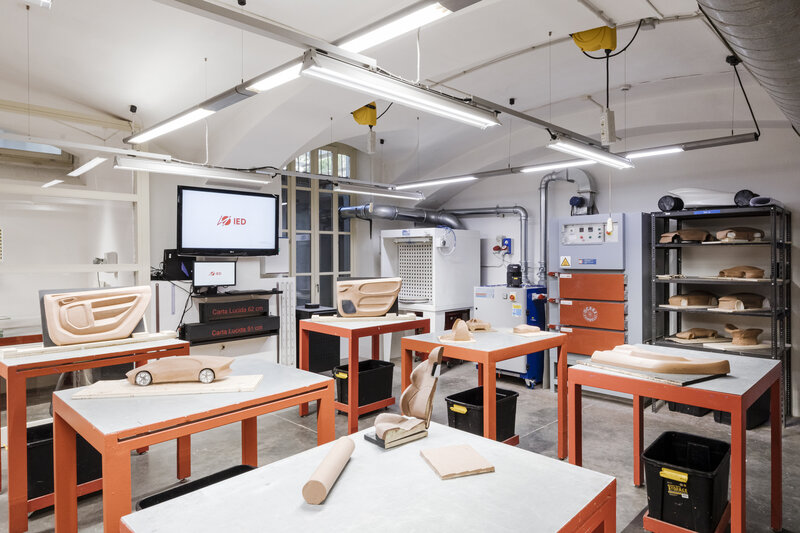
+4
LAB CLAY
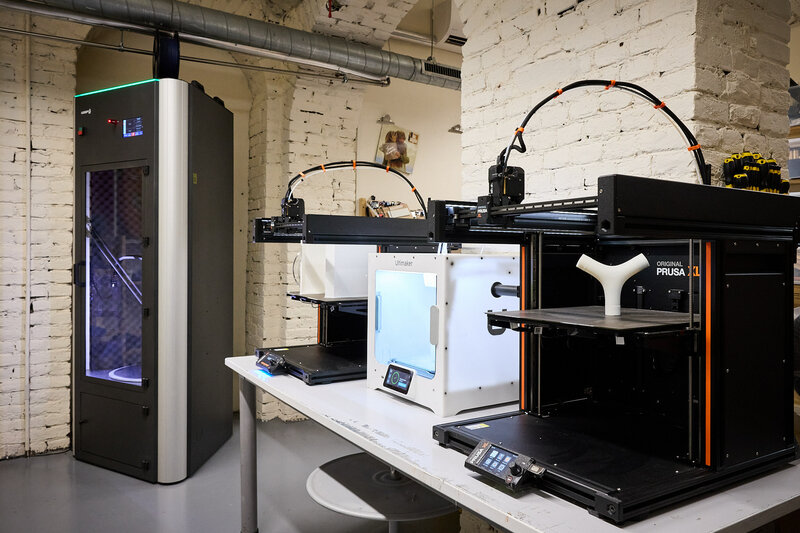
+9
3D PRINT LAB
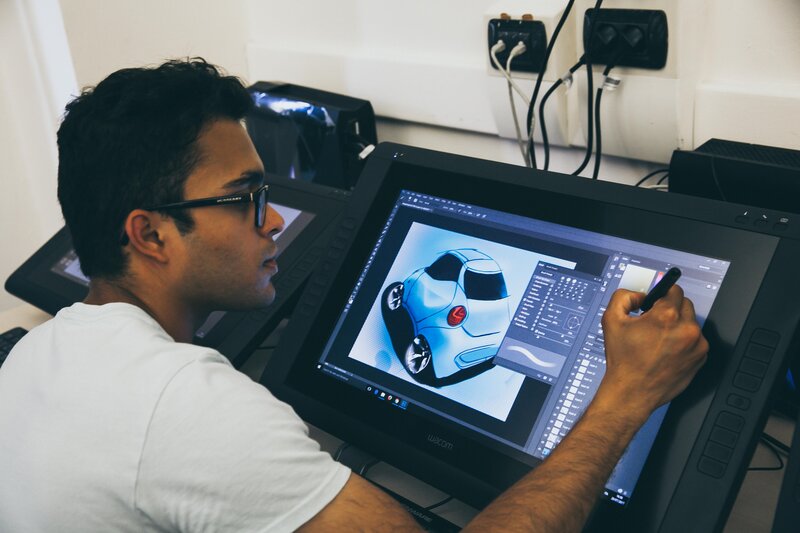
+3
CINTIQ LAB
Projects


You may be interested in:


News


Don't miss it


IED OPEN DAY
THE FUTURE IS LOOKING FOR YOU
November 2026 | Online and On campus