The WeAr Festival: Exploring innovation and the possibilities of combining fashion and technology for a fashion-tech future

Editorial
The future of fashion with wearables
Date
09 July 2018
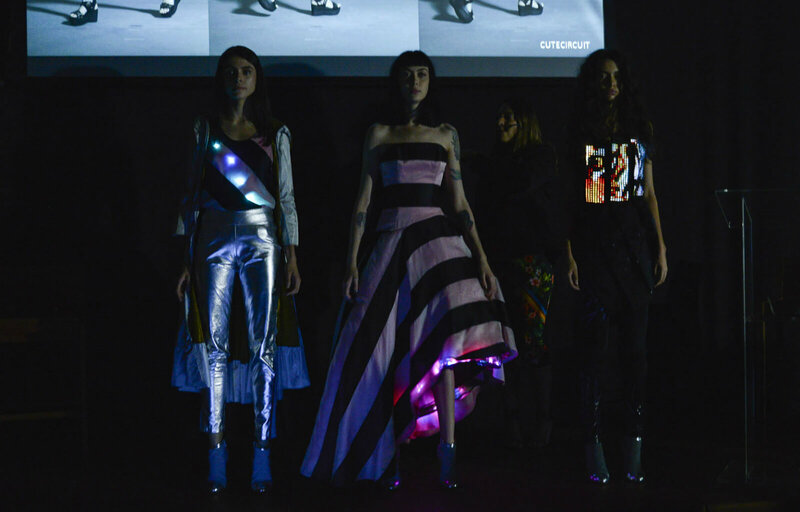
The technologies that make it possible to use a 3D printer in fashion, to personalise clothing with LEDs or sound effects and to create embroidery with luminous threads no longer belong to the too-distant future. The WeAr Festival aims to present the latest innovations in the fashion universe.
“A constant process of revolution has always characterised fashion, and today it can also benefit from the contribution of technology”, explains Alexandra Farah, fashion journalist and columnist and creator of the WeAr Festival, an event now in its third edition held at the IED São Paulo seat.
The project’s main objective is to bring together researchers of wearables - wearable devices -capable of improving the human body thanks to technology. This is not science fiction: this concept is already being used in devices such as hearing aids or pacemakers.
“Digital data must be turned into reality because clothing only has a reason to exist in the physical world". She explains that virtual information will be part of clothing, citing existing technologies such as thermal trousers or models to reduce cellulite.
According to Alexandra, one of the areas in which wearables can play an important role is healthcare. “In case of back pain, for example, you can use a shirt equipped with a mechatronic device to correct your posture, avoiding excessive medication use”, she told us.
The festival concept extends to all fashion-related technology, so it is not just about the finished product. This is the case with new raw materials created in the laboratory, such as biodegradable fabrics and graphene silk. Manufacturing processes can also use alternative methods thanks to 3D printers or the help of robots capable of cutting, sewing and packaging.
The creator of WeAr also states that schools play a crucial role in educational activities in the fashion industry: “One of the concerns of the festival is to focus on innovation and offer a day to take stock of what is being made”, she explained.
Author: Gabriela Nunes
You may be interested in:


