Visual storytelling is a practice that has evolved hand in hand with human beings. People have felt the need to communicate and talk about themselves since ancient times, making use of visual, oral, and textual narration.

Editorial
Visual storytelling: what it is and how you do it
Date
04 December 2023
Narration through images preceded other forms of communication. Just think of ancient rock carvings or Egyptian hieroglyphics, which demonstrate that we have always engaged in the art of visual storytelling, combining the evocative power of images with a narrative structure.
Today, this approach has reached its peak and these skills will be essential to face the professional challenges of the future.
What visual storytelling is
Visual storytelling is a way of narrating a story with the aid of visual elements such as images and videos.
It is not limited to storytelling as an end in itself, but has a very specific objective. It may be preparatory to the fulfilment of a call to action, it may serve to accompany the user along a path to purchase, or it may aim to create engagement and excitement for a particular theme, product, or brand.
Why is the practice of visual storytelling so important?
Visual communication is immediate, comprehensible, and effective. The human brain processes visual information 60 thousand times faster than textual information. We only need 13 milliseconds to process an image, and 90% of the information transmitted to our brain is visual (we are equipped with a narrative memory).
Another advantage of communicating through images is the duration of memory: after three days we can remember 10% of the information contained in a text, but if the text is combined with an image, the percentage rises to 65%.
The key elements
The prerequisite for designing an effective visual storytelling strategy is to know your brand or product very well: what values do you want to communicate and what message do you want to convey to your users?
A solid brand identity and a defined target therefore represent the foundations for the construction of a communication strategy.
The first element to take into account when planning a visual storytelling activity concerns the story you want to tell: what makes it memorable or, at least recognisable? And what is the most effective narrative sequence for achieving your goal?
Another aspect that must be defined concerns the feelings you want to arouse in the viewer: does the story have an inspirational, informative, or emotional purpose?
Emotions are closely related to the strategic use of colours: these are crucial to reinforce the message of the story and to make it more vivid.
The last piece of advice is to simplify the narrative sequence to eliminate superfluous elements and any possible distractions.
Users must be able to easily understand the message and images in the story, but they must also recognise themselves in the context that is presented to them. Recognition leads to identification and a sense of belonging, and these elements determine the effectiveness of your storytelling strategy.
Where to apply it
Theoretically, visual storytelling is applicable to any sector, although design, fashion, food, beauty, cars and travel are areas where it has become indispensable.
This communication strategy is structured and implemented within the marketing and advertising division of a company.
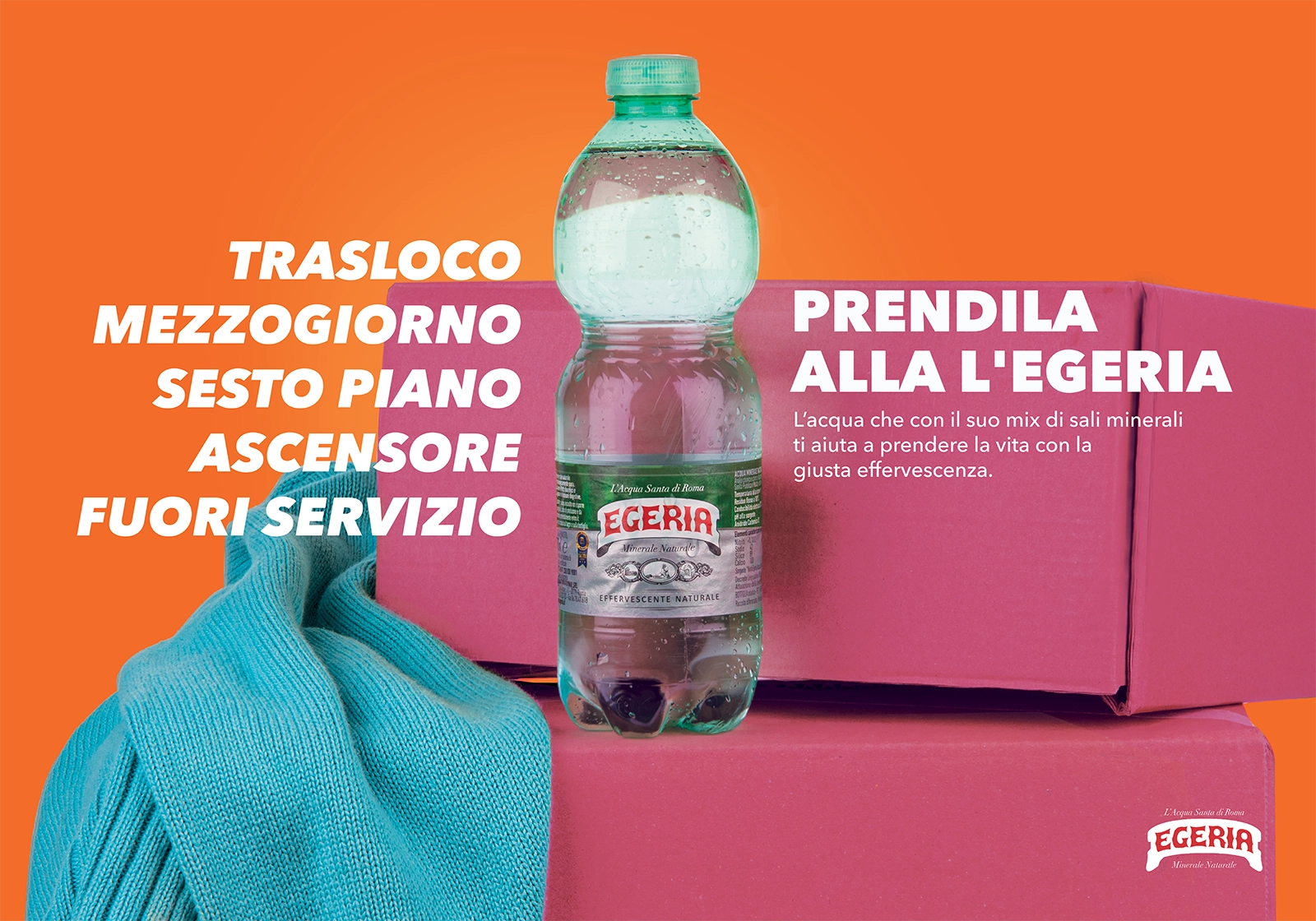
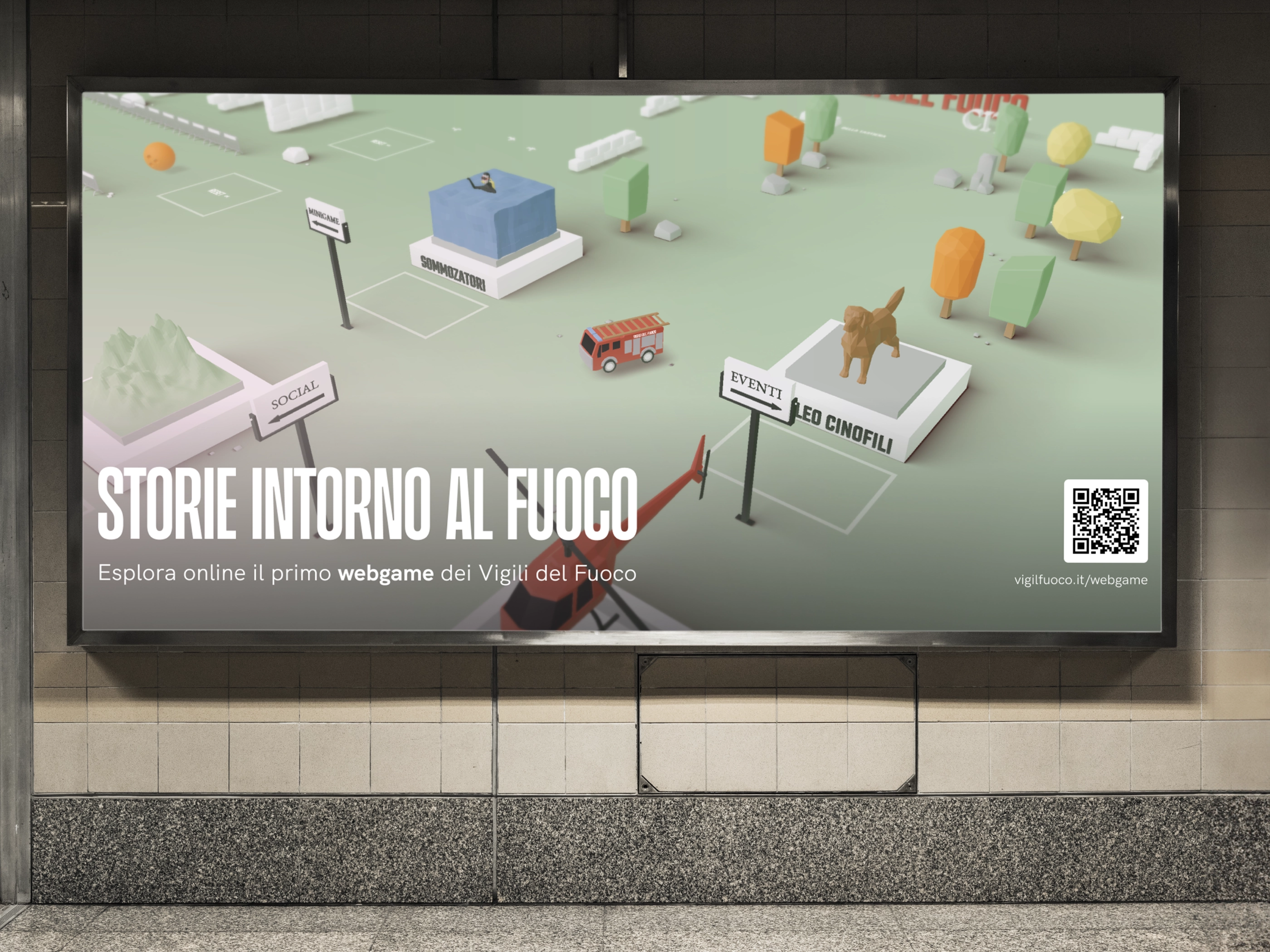
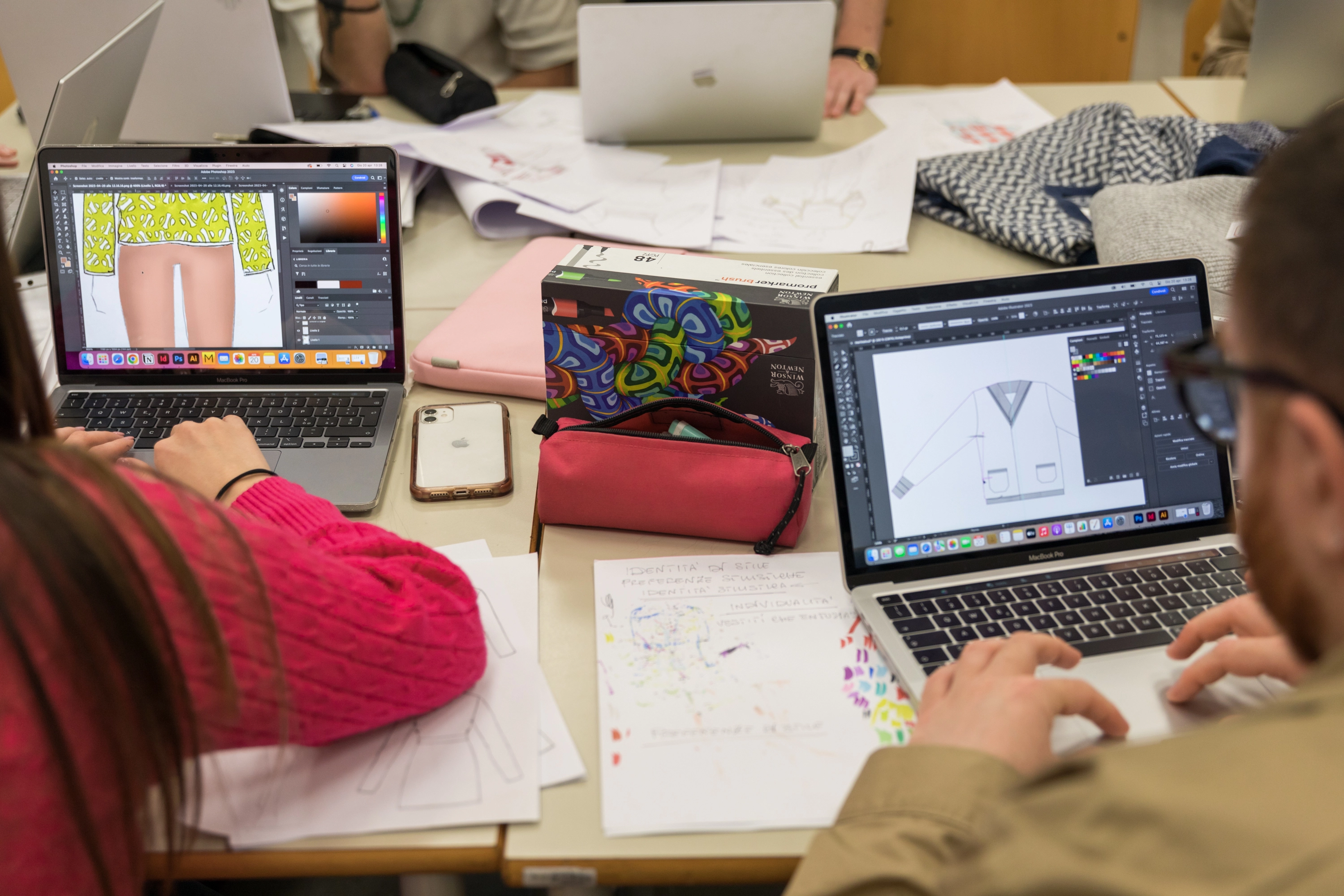
Take a look at some IED student projects with a focus on storytelling:
Project: l'acqua che ti cambia la giornata
Progetto: storie intorno al fuoco
Project: dress your story
How to create an engaging storytelling
To create an effective visual storytelling strategy, you have to ask yourself what will capture the audience’s attention and lead to emotional engagement. Creative and coherent planning is essential for the construction of a visual story with a high impact.
The main phases for the creation of visual storytelling are the following:
1. Definition of the objective: what is the purpose of the activity, and what action do you want your target audience to carry out?
2. Definition of the target audience: who are you addressing? Before moving on to the creative stage, it is important to understand their needs and which emotions can be leveraged.
3. Creation of the concept: identifying the nucleus of the narration on which to build the story. At this point, you will already have a clear idea of the content’s format (static, animated, infographic, photographic etc.).
4. Structure and planning: definition of the narrative sequence (is it linear, non-linear, or adaptive?) and creation of a storyboard. In this phase you will plan the sequence in which the visual elements are connected to give life to the story.
5. Selection or creation of visual elements: what photos, graphics, images, or videos are needed to make up the story? These elements will either be selected or created from scratch in this step.
6. Creation of text elements: drafting of the text that will accompany the visual elements (and will be either written or acted).
7. Distribution and dissemination: if multiple content delivery platforms are envisaged, you will need to adapt the format according to the channel and plan the launch with supporting advertising activities.
Tools and resources
The resources required to plan a visual storytelling activity will vary depending on the complexity of the project and the type of media you want to use.
Depending on the type of format, the main ones are:
· Visual design tools such as Adobe Photoshop, Illustrator, or online tools for creating infographics and other visual content.
· Royalty-free image archives such as Shutterstock, Unsplash, or Pixabay to find quality photos or graphics.
· Video editing tools such as Adobe Premiere, Final Cut Pro, iMovie.
· Tools to create storyboards and plan the narrative flow such as Figma, Trello, Miro, and Storyboard That.
Mastering the resources mentioned above is useful for creating engaging visual storytelling experiences, but the technical skills of the people involved in the project will play a decisive role.
Depending on the type of media you want to create, verticals in graphic design, videomaking, photography, animation, illustration and drawing, and copywriting are required.
Do you want to learn how to professionally create visual storytelling?
IED offers more than 350 courses that help you to specialise in your area of interest and learn to master the main photo and video editing software.
Visual storytelling is a study focus in many of our training courses:
· Design Strategy and Management
· Fashion Communication and Management
· Graphic Design and Visual Communication
· Marketing and Communication
· Video, Cinema and Sound Design
You may be interested in:


