


Fashion Systems
Understand and reshape the fashion industry through a systemic, technological and sustainable lens
Barcelona
ENG
Master's Degree
Language
English
Start date
January 2027
Frequency
Evening
Fruition
On campus
Duration
10 Months
Course Coordination
Micaela Clubourg
Price
Learn to read fashion as a complex and constantly evolving system. You will integrate sustainability, technology, materials research and new narratives to develop projects with meaningful impact within the contemporary fashion industry.
The Master in Fashion Systems is an advanced programme designed to enable students to understand and transform the fashion industry from a systemic, technological and sustainable perspective.
Fashion is a major cultural and economic force; however, it is currently under increasing pressure due to its environmental footprint, linear production models and the social challenges present across its entire value chain. This programme responds to this context by developing professionals capable of analysing fashion systems, questioning established practices and integrating innovation in a critical and responsible way.
Over the course of 10 months, students become part of an academic environment closely connected to professional practice. The programme combines trend research, strategic analysis of the European fashion landscape, digital technologies applied to design, material development, and the communication of projects with strong conceptual rigour. Its cross-disciplinary approach frames fashion beyond the product, addressing it as an interconnected network of cultural, industrial, technological and communicative relationships.
By bringing together critical thinking, experimental practice and strategic vision, the programme prepares students to anticipate change, interpret complex contexts and develop proposals aligned with the contemporary challenges of the sector. Technology is understood as a set of tools — digital, material and conceptual — placed at the service of research, innovation and the transformation of fashion systems.
Information to decide
An advanced programme designed to broaden your professional profile and prepare you to work in the most innovative and emerging areas of the contemporary fashion system.
The programme is structured into four progressive learning blocks that together build a comprehensive understanding of fashion systems. It begins with a macro-level analysis of the industry and its ongoing transformations, progresses to the use of digital and futures-focused tools, delves into materials research and production processes, and concludes with the strategic and cultural communication of projects. This structure supports the integration of critical analysis, experimentation and practical application. Throughout the programme, students work through applied research and project development, combining reflection, strategy and practice to understand — and propose — new ways of operating within the fashion sector.
This master’s programme is designed for graduates and professionals from fashion design, fashion management and business, communication, product design, architecture, textile engineering and related disciplines.
It is also suitable for professionals undergoing a career transition who wish to reorient their trajectory towards sustainable innovation, technology and emerging systems within the fashion industry. Admission is subject to CV review, and the programme is intended for candidates with a critical mindset, a strong interest in sector transformation and the ability to work across disciplines.
Because it offers an in-depth understanding of fashion as a cultural, industrial and technological system, and prepares you to engage with it from a critical, informed and responsible position.
The programme is based in Barcelona, within a creative and productive ecosystem connected to design, research and experimentation — a context that encourages strong links between strategic thinking, academic practice and contemporary professional contexts.
Syllabus
Module 1. Fashion Industry and Sustainability Fundamentals
This module provides a comprehensive understanding of fashion systems and their historical and contemporary evolution. Students examine the cultural, industrial and economic dynamics of the sector, as well as its social and environmental challenges. The transition from linear models to circular systems is explored from a critical perspective, introducing key concepts such as impact, ethics, traceability and supply chains.
Module 2. Optimisation of Processes through Technology in the Fashion Industry
This module focuses on digital technologies as tools to research, anticipate and visualise future scenarios within the fashion sector. Students work with methodologies such as trend analysis, cultural intelligence and horizon scanning, understanding technology as a strategic resource for interpreting and transforming processes across fashion systems.
Module 3. New Aesthetics through Matter
This module explores the material dimension of design through an experimental and technical approach. Students investigate biomaterials, advanced fibres and hybrid compositions, analysing performance, durability, finishes and the new aesthetics that emerge through experimentation. Materiality is approached as a bridge between research, prototyping and responsible production within contemporary industrial contexts.
Module 4. Communication and New Narratives
This module addresses communication as a strategic dimension shaping discourse, identity and cultural perception within fashion. Students explore storytelling, art direction and visual narrative, using visual and digital languages to communicate projects with conceptual clarity and critical rigour. Futures and foresight methods — such as scenario building and speculative narratives — are applied, positioning the digital realm as both an analytical and strategic tool.

Inside the labs


+3
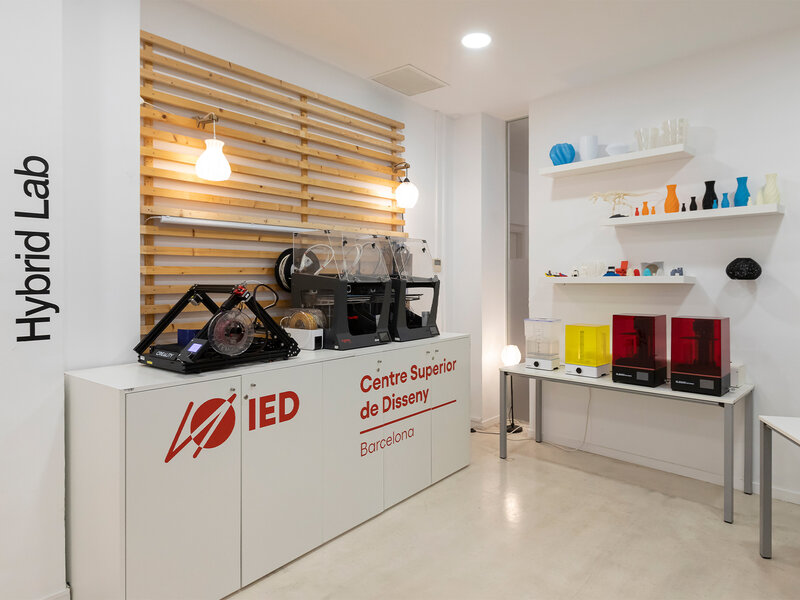
Hybrid Lab
+3
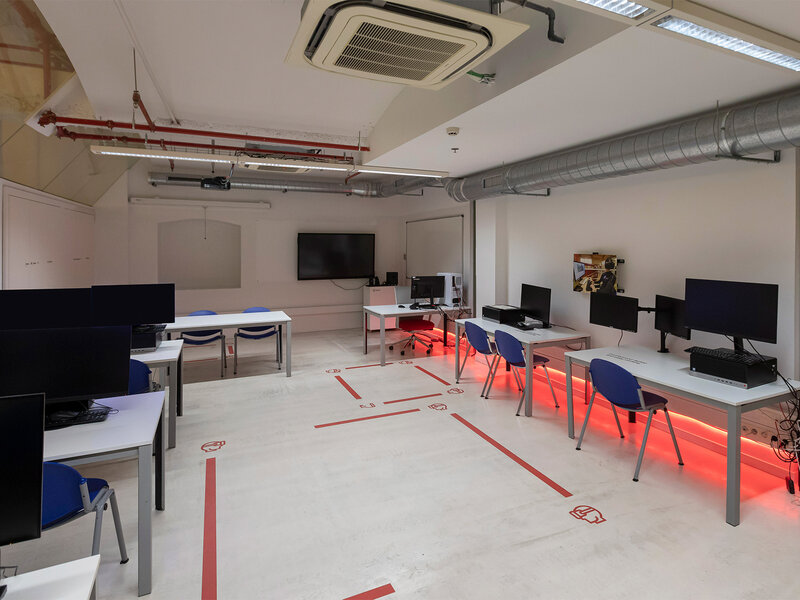
XR Lab
+2
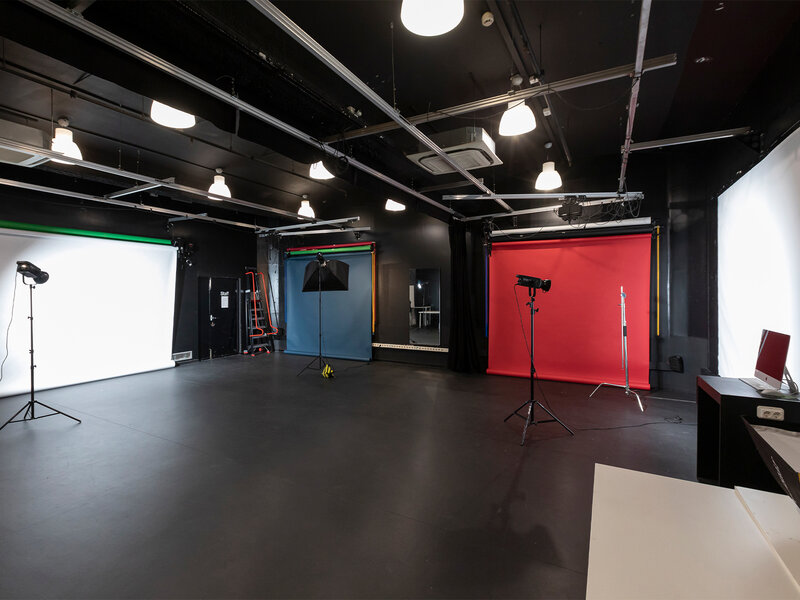
Media Lab
Projects


You may be interested in:


News


Don't miss it



IED OPEN DAY
THE FUTURE IS LOOKING FOR YOU
November 2026 | Online and On campus