


Product Design
Rome
ITA
|
ENG
First Level Academic Diploma in Design - Specialization Product Design
Language
Italian, English
Start date
October 2026
October 2027
Frequency
Full time
Fruition
On campus
Duration
3 Years
Credits
180 CFA/ECTS
Course Coordination
Marika Aakesson
The Bachelor of Arts in Product Design at IED Roma focuses on the sustainable design of products and services for the home, individuals and the environment, with a systemic perspective attentive to the principles of circular economy. The programme is conceived as a permanent laboratory of research, design ethics and social impact, following every phase of project development in key sectors such as smart technologies, robotics, sustainable mobility, agri-food design and Industry 4.0.
In Rome, collaboration with organisations, companies and institutions strengthens the commitment to sustainable development through thematic projects, field-based training activities and partnerships with businesses focused on environmental innovation.
Course structure and contents:
The IED programme spans three years, integrating design with cultural knowledge, dialogue with professionals, technical skills and innovative tools.
First Year: Dedicated to exploring space and developing design thinking. From freehand drawing to 2D and 3D digital representations, students learn the fundamental languages of design. Software such as AutoCAD and material studies introduce technical and sensory design, while theoretical subjects (art and design history, theory of perception and Gestalt psychology) provide a solid cultural framework. Design laboratories allow students to put ideas into practice, developing concepts supported by graphic outputs, physical models and digital representations.
Second Year: Focuses on more complex projects such as furniture, accessories and usage systems, refining aesthetic, functional and communication skills. Advanced tools such as Rhinoceros, V-Ray and AI technologies applied to design are introduced. Traditional and innovative modelling laboratories enable rapid prototyping with digital tools such as laser cutting, 3D printing, CNC milling, Arduino and other electronic platforms. Theoretical courses expand to include applied arts history, sociology and contemporary culture, offering critical tools to interpret the context.
Third Year: Projects integrate design, material knowledge, production techniques, communication and marketing. This combination reflects a critical and contemporary approach, amplified by immersive technologies such as CGI, virtual reality and video animation. Theoretical courses deepen the relationship between individual, object and society through phenomenology and anthropology.
The final year applies all acquired skills to complex, realistic projects, often in collaboration with companies. Engineering, cost analysis and advanced prototyping are explored to create tangible, market-ready products. Tools for interface design (UI) and user experience (UX) are introduced, alongside strategic skills in marketing, sustainability and project management. The programme concludes with the thesis project, developed individually or in groups, based on real or student-proposed briefs. Deliverables include books, technical drawings, models, renders and videos, demonstrating the ability to tackle complex challenges and contribute to the future of design.

Faculty


Course Coordinator
Marika Aakesson
Industrial Designer

Niccolò Adolini
Product Designer

Francesco Subioli

Matteo Carbonoli
Industrial Designer

Mario Alessiani
Product Designer

Barbara Brocchi
Art Director, Illustrator

Roberto Frusteri

Valentina Moccia

Mauro Del Santo
Product Designer

Giulio Gualtieri
Architect and Designer

Alessio Tommasetti
Architect

Chen Zhao

Domitilla Dardi
Art Historian, Curator of design

Patrizia Di Costanzo
Architect

Paolo Casicci
Journalist and Content Curator

Gaia Zangrilli
Psychologist

Jacopo Benci
Artist and Researcher

Manuela Pacella

Anna Maria Cestelli Guidi
Art historian

Claudio Esposito

Gabriele Lungarella

Piero Cutilli
Ergonomist

Valentina Vinotti

Alessandro Spalletta
Interior Designer

Giulio Patrizi
Designer &Art Director
Inside the labs
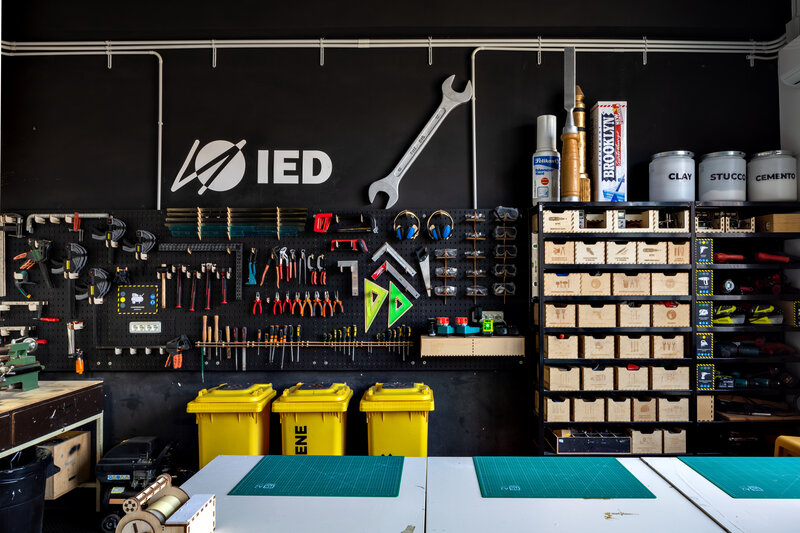
+9
FAB LAB
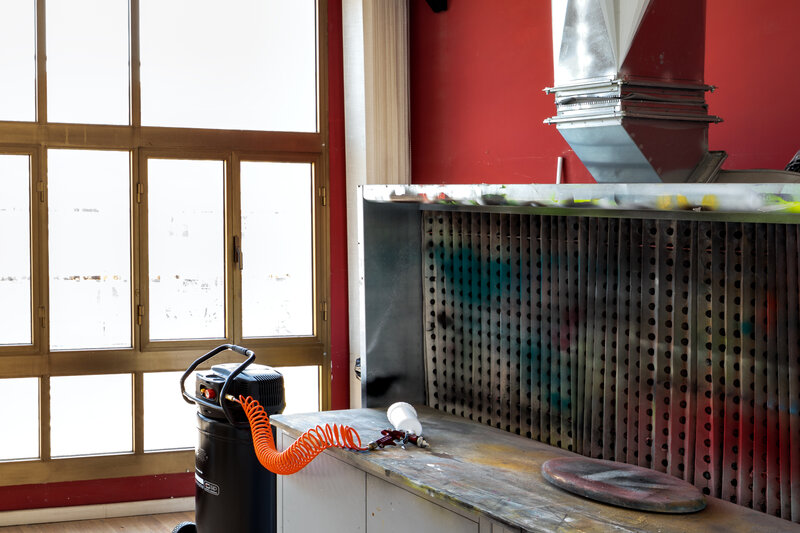
+2
PAINTING AREA
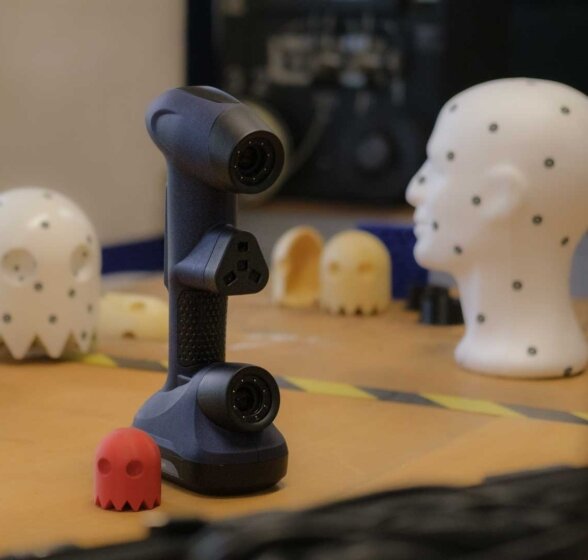
+4
SCANNER LASER 3D - G-SCAN
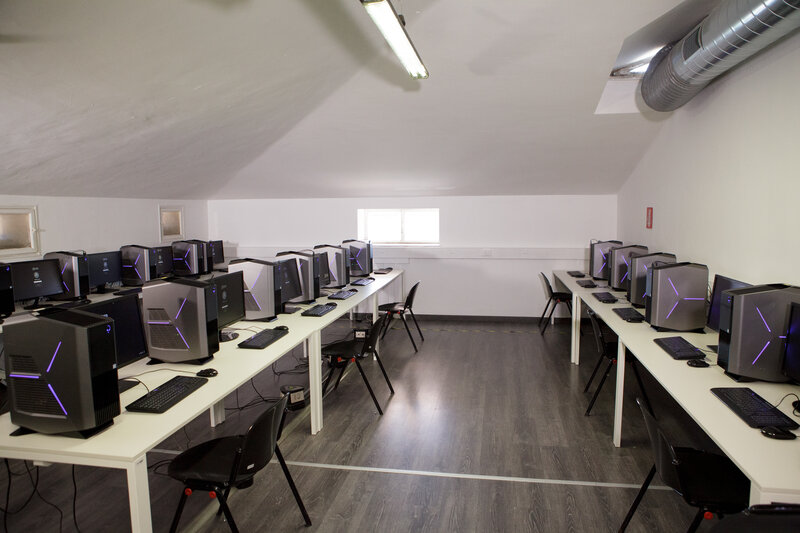
+5
RENDER FARM LAB
Projects


What people say

From China to Rome: Students share their experience at IED
"At IED we can bring our creations to life through labs such as 3D printing and wood cutting. Here I met friends from all over the world, sharing projects and journeys that opened me up to new perspectives."
Product Design Students, IED - Sichuan Normal University

DESIGN THAT WITHSTANDS: earthquake-proof furnishings in the event of an earthquake
"The project aims to develop anti-seismic furnishings. We invited IED students to envision their future desk, and they gave us extremely important insights from the standpoint of product design,but above all for its functionality."
Researcher, CNR-IBE Institute of Bioeconomy
You may be interested in:


News


Don't miss it


