


Visual Communication Design
Florence
ITA
First Level Academic Diploma in Visual Communication Design - Specialization Advertising Communication
Language
Italian
Start date
October 2026
Frequency
Full time
Fruition
On campus
Duration
3 Years
Credits
180 CFA / ECTS
Course Coordination
Alessandra Foschi
The evolution of communication and digital technologies has made it essential to train professionals who can conceive and develop effective and innovative visual strategies. For this reason, the Bachelor of Arts in Visual Communication Design offers comprehensive training combining theory, practice and experimentation across the various fields of visual communication and advertising design.
Throughout the programme, you will learn how to design and develop integrated advertising campaigns, craft visual narratives and use key graphic, digital and multimedia tools to enhance the identity of brands and institutions. You will explore subjects such as art direction, copywriting, storytelling, web and interaction design, social media management, photography and video techniques, building a solid skill set that combines visual culture with practical expertise.
Course structure and contents:
The programme spans three years, integrating design with cultural knowledge, dialogue with professionals, technical skills and innovative tools. The aim is to train students to experiment with the different modes and expressive possibilities of visual communication design.
First Year: Students acquire the foundations of visual design and communication, learning to use the main graphic software (Photoshop, Illustrator, InDesign) and to develop a sound design approach through practical exercises, supported by theoretical courses in art history and communication. Theory, techniques and practices of copywriting are also introduced.
Second Year: Technical and creative skills are strengthened through the design of complete advertising campaigns and digital content, with a focus on branding, social media and multimedia. Exercises include video, web design and digital marketing. Theoretical subjects such as media history and phenomenology, and sociology of communication, support the practical disciplines, enabling students to produce finished projects.
Third Year: Students tackle complex projects and simulated professional contexts, culminating in the thesis, which may consist of an advertising campaign, an editorial or multimedia project such as a web video commercial, interactive social media content or an experiential website for a brand launch. Through interdisciplinary workshops, real projects and professional simulations, students develop a personal expressive language that prepares them to work across the various sectors of visual communication: advertising, digital publishing, events, visual storytelling and multimedia production.

Faculty


Course Coordinator
Alessandra Foschi
Architect

Elena Paganelli
Copywriter

Elisa Barbieri
Brand Strategist & Communication Consultant

Paola Donatiello
Professor

Cristina Andolcetti
Photographer

David Hartono
Visual Artist

Elena Fei
Graphic Designer

Piero Fragola

Diego Fontana

Andrea Paglia
Communication and Marketing Consultant

Maurizio Rossi
Strategy Analyst and Copywriter

Tommaso Bovo
Art Director & Graphic Designer

Simone Petracchi
Photographer

Marco Innocenti
Art Director

Camilla Mozzato
Curator

Cecilia Lentini
Performance Art Director

Francesca Pazzagli
Architect & Set Designer

Luca Parenti
Art Director

Jany Martelli
Digital Consultant & Front-end developer

Alessio Bertini
Responsible for the area of education, accessibility and special projects

Laura Ottina
Professor

Roberta Parollo
Marketing and Communication Consultant

Francesco Marcantoni
Project Manager

Stefania Pelliccia
Illustrator
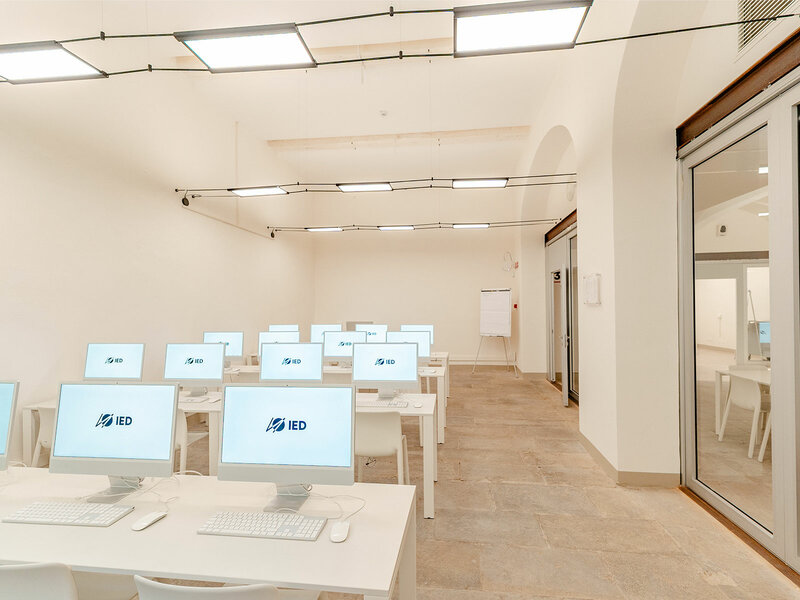
Inside the labs
+5
COMPUTER LABS
+4
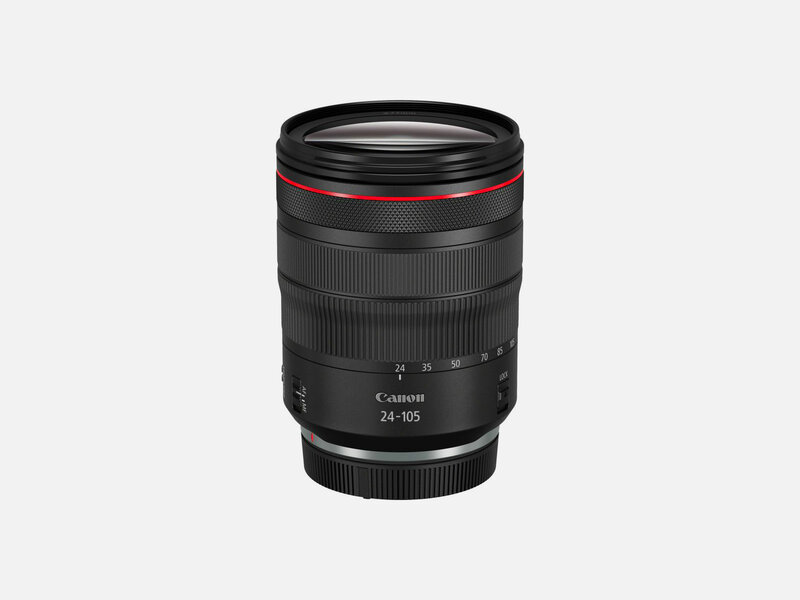
WORKSHOPS PHOTO


Course partner


You may be interested in:


News


Don't miss it


