
Marketing and Communication
Turin
ITA
Master
Language
Italian
Start date
November 2026
Frequency
Part-time
Fruition
On campus
Duration
1 Year
Course Coordination
Alessandro Bertin, Lorenzo Firpo
Price
EU/EEA resident students: €13.500
Non‑EU/Non-EEA resident students: €15.500
How can companies and organizations navigate an ecosystem where data, digital technologies and new consumer behaviors constantly reshape languages, strategies and tools?
Marketing and communication are undergoing profound transformation: artificial intelligence is accelerating processes and decision-making, channels are multiplying, audiences expect personalized and consistent experiences, while brands must assert their identity in an increasingly competitive and fast-moving market. In this context, there is a growing need for professionals who can combine analytical skills, creative sensitivity and strategic vision, with the ability to interpret change and turn it into opportunity.
The Master’s Program in Marketing and Communication at IED Torino was created to train exactly these profiles, offering students a systemic and up-to-date view of contemporary practices in the commercialization, promotion and positioning of products, services and organizations—from branding to digital communication, from business intelligence to public relations management, all the way to data analysis and consumer behavior. Torino, with its network of companies, agencies, institutions and cultural organizations, provides an ideal laboratory for engaging with real projects and industry dynamics.
The part-time format, with early-evening classes, makes the program suitable for both recent graduates and young professionals, responding to the need for advanced training without interrupting one’s work life. The course integrates solid theoretical foundations with a hands-on approach that guides students in understanding the logic that shapes brand development today. Through dedicated modules, students learn to build effective marketing strategies, interpret data critically, craft coherent messages and orchestrate multichannel communication plans.
Classes are led by industry professionals and enriched with external guest speakers who offer direct insights into various organizational contexts—from companies to creative teams, NGOs and the public sector. The workshop-based dimension, central to the program, allows students to experiment with tools and methods used daily in the profession: from audience and KPI analysis to the creation of a data-driven multichannel brand strategy, from media planning and budget management to editorial planning and advanced social media management. Further focus on media relations and event organization broadens the perspective, showing how reputation is built and sustained through a thoughtful mix of relationships, content and public presence.
All these skills converge in the final thesis project, developed from a real brief provided by an external partner. Students tackle a concrete challenge, translating insights, objectives and constraints into a comprehensive strategic proposal that balances vision, creativity and operational feasibility, preparing them for a confident entry into the professional world.
The Master’s program trains professionals ready to take on key roles in marketing and communication—such as brand and product manager, digital marketing specialist, account manager, strategic planner, content strategist, social media manager or strategist, PR manager and event manager. These are roles that contribute to building strong, recognizable brands by guiding strategies that blend data, design capability and innovation in a market that demands increasingly cross-disciplinary skills.
The journey doesn't end in the classroom: more then 93% of graduates find a job within a year of completing the Master's, a result that reflects IED's commitment to guiding students toward the world of work throughout the entire academic year. The Career Service supports students with one-to-one meetings focused on CV and portfolio reviews and mock interviews, while career development workshops help them build a personal brand and navigate LinkedIn and professional networking with confidence. On top of this, a partnership with Synergie guides students in preparing for real, effective job interviews, alongside a series of online Career Talks offering practical insights and first-hand accounts from those already working in the field. There's no shortage of direct contact with companies either: Talent Days connect students with professionals for open positions, while Job Future Days offer a chance to explore employment trends and the skills most in demand. Once they graduate, students join the IED Alumni community, gaining access to a dedicated platform with job opportunities and consulting services to support their career growth.
Over the years, the Master has also built thesis projects and partnerships with brands such as Acqua Sant'Anna, Unione Industriali di Torino, Martini & Rossi, 101 Vini, Teatro Regio di Torino, Museo del Cinema, and Allemandi, giving students the chance to work on real briefs across a range of professional settings.

Faculty


Course Coordinator
Alessandro Bertin
Partner and President - Spin-To Srl

Course Coordinator
Lorenzo Firpo
Global Account Manager - Ferrero

Cristiana Genta
Marketing & Communication Director

Mariligia Di Stasio
Digital Communication Strategist, Consultant, Trainer

Francesca Gambetta
Programme Manager, Head of Mission Creating Attractiveness Objective Culture - Compagnia di San Paolo

Davide Caggiano
Partner & Managing Director - Louder Italy

Fabrizio Vignati
Founder of REPCOM

Franco Amato
Freelance editor
Inside the labs
+3
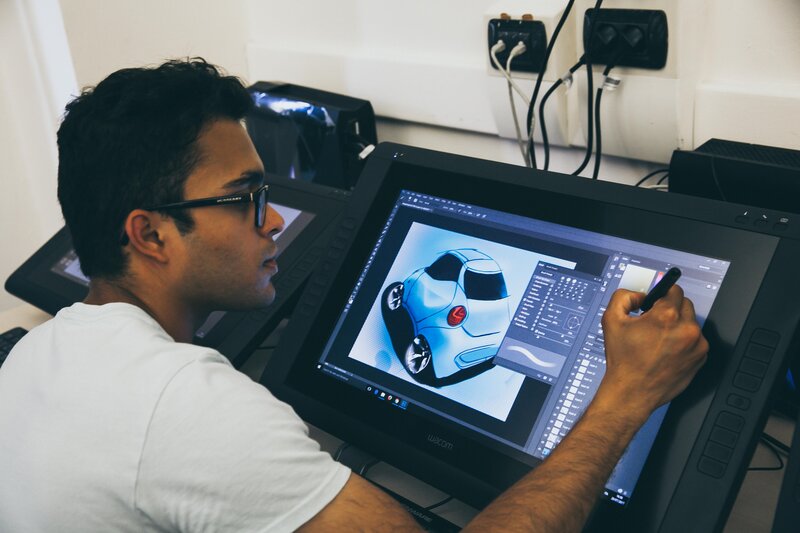
CINTIQ LAB
You may be interested in:


News


Don't miss it

