
60 Years Designing Together
Reflecting on six decades of creativity, learning, and plural intelligences for IED’s 60th anniversary
Collective insights shaping knowledge and creativity today
Plural Intelligences is the theme chosen for IED’s 60th anniversary, exploring design through the lens of plural intelligences. It brings together a collection of contributions that observe and reflect on new ways of thinking, acting, and interacting in today’s world.
The project stems from intelligence applied to improving existing scenarios. Yet, throughout human history, the very concept of intelligence has undergone significant shifts. While in the 19th and 20th centuries it was understood as individual, hierarchical, and measurable, today intelligence is recognised as multiple, embodied, and shaped by context.
Design allows us to reflect on and mediate this idea of plurality. Intelligence never has a final form; it is constantly evolving, changing, and adapting. In this light, design becomes much more than problem‑solving. It enables thinking through making — a way to connect perspectives and imagine alternative, possible futures.
Design can hold complexity without flattening it, creating space for dialogue rather than easy answers.
This theme challenges current visions of intelligence, extending the idea of plurality beyond the cognitive sphere to encompass its cultural, social, systemic, and ecological dimensions.
The concept takes shape through a year‑long public programme featuring selected events, alongside an editorial project that brings new perspectives on the plurality of intelligence today.

Public Program
Throughout the year, various events will be organised across our sites, showcasing different perspectives and ways of understanding intelligence today — from exhibitions to talks, conferences, workshops, gatherings and more.
Under the umbrella of Plural Intelligence, we will participate in national and international events such as Design Weeks, Fairs and Festivals as well as organize different talks and conferences in our sites, such as IED Muses, AD100 IED, Studio Visits, or Design Talks at Circolo del Design in Torino. Besides, at the end of the academic year, many of our schools will present their Degree and Fashion Shows with our students' latest projects and innovations.
Personalities such as John Thakara, Cecilia Alemani, Georgia Lupi, Gabriel Fontana, Erik Kessels, Omar Sosa, Silvia Brandi, Francesca Gavin, Federica Biasi, or Francesco Meda, will take part of our Public Program.

Notes on Plural Intelligences
Notes on Plural Intelligence is a bimonthly digital and print publication created as a meeting place for voices, projects, and perspectives that explore the role of design throughout the year as a force for exchange and reflection within today’s transformations.
Guided by curiosity, care, and imagination, the editorial project explores how intelligence is being redefined today through five thematic areas.
It presents a landscape of possibilities, raises new questions, and highlights projects that open up conversations around how we perceive the world’s complexity by offering alternatives and imagining plural futures.
Notes on Plural Intelligences

Together Apart
We live in a time of contradictions: constantly connected yet often lonely, informed yet overwhelmed.
Digital networks, global crises, and the spread of artificial intelligence shape our lives, while emotional and physical disconnection persists.
Despite this distance, moments of instability also open space for creativity and new ways of relating.
Together Apart reflects this tension, inviting us to rethink connection, intelligence, and collaboration, and to imagine design as a shared, transformative tool for navigating complexity and creating new forms of togetherness.


Now-Here Land
Now-here-land is both a condition and a proposition: a way of inhabiting cities attentively, grounded in place while open to change.
It imagines cities not as products of capital alone, but as ongoing, collective negotiations between humans, other species, and the systems that bind them together.
This topic explores how collectiveness, activism, and conviviality can redefine urban relations and imagine more just, multi-species ways of inhabiting the city.


Future Memories
Future memories are being formed in a concrete place between technology and human experience.
While artificial intelligence maps cultures and histories, memory remains rooted in rituals of togetherness, shared stories, and everyday acts of conviviality.
Archives are no longer static containers, but living spaces shaped by values, choices, and responsibility, where data and storytelling meet to define how we remember—and why it matters today, more than ever.


Material World
The material world reflects how we produce, consume, and relate to resources today. Rethinking waste, technologies, and infrastructures through the lens of degrowth reveals materials as part of living ecologies rather than endless supplies. Between hyperobjects and everyday crafts, this topic explores how care, restraint, and new relations can reshape our shared material future.
Yet these material practices are deeply shaped by extractive capitalist logics that prioritize growth, speed, and profit over ecological limits and social equity. But there is also an urgency to explore new systems that can move beyond economies of accumulation and disposability, fostering modes of production grounded in sufficiency, interdependence, and long-term responsibility.


![Dani Barris IED Barcelona “Jugar a ser dolent no està tan malament” [“Jugar a ser malo no está tan mal”]](/projects/24852/image-thumb__24852__scaleByWidth600/Dani-Barris-WEB-2@2x.avif)


Never Not Learning
Education is a relational and embodied practice that goes beyond skills and information.
By valuing multiple intelligences, emotions, and collective learning, it fosters critical thinking and shared systems of knowledge. This topic explores pedagogies that embrace transdisciplinarity, commoning practices, and learning as an active, lived experience.
We are continuously learning, there is not a moment where we are not learning.


The key figures behind the Plural Intelligence events

TLON - Maura Gancitano & Andrea Colamedici
Writers and Philosophers

Damiano Gui
Strategic Designer

Fabiola Nardecchia
AIX Designer

Amir Mansour Kalantari
Fashion Designer

Dario Bartolini
Architect and artist

Cecilia Alemani
Curator

Julia Gonzalez
Visual Designer

Studio Ossidiana
Architects

Riccardo Ferrari
Architect

Davide Fabio Colaci
Architect
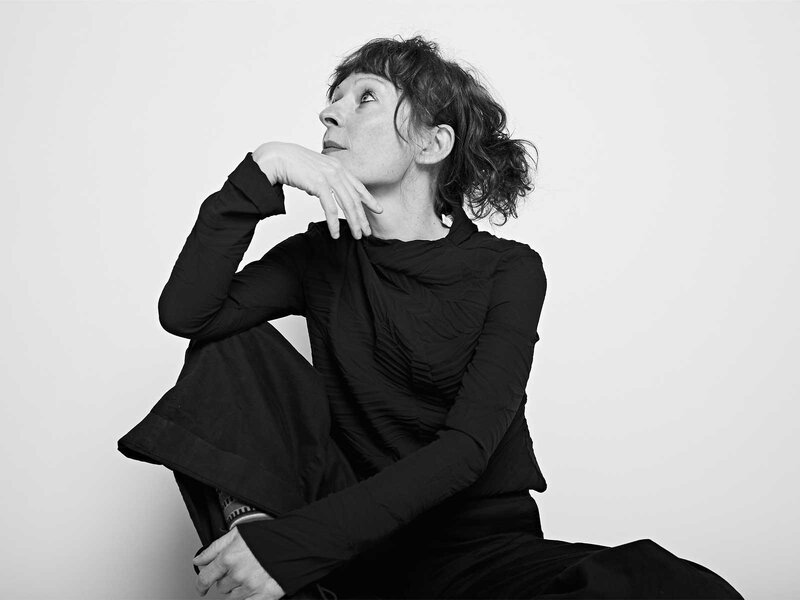
Giorgia Lupi
Information designer and Partner at Pentagram in New York
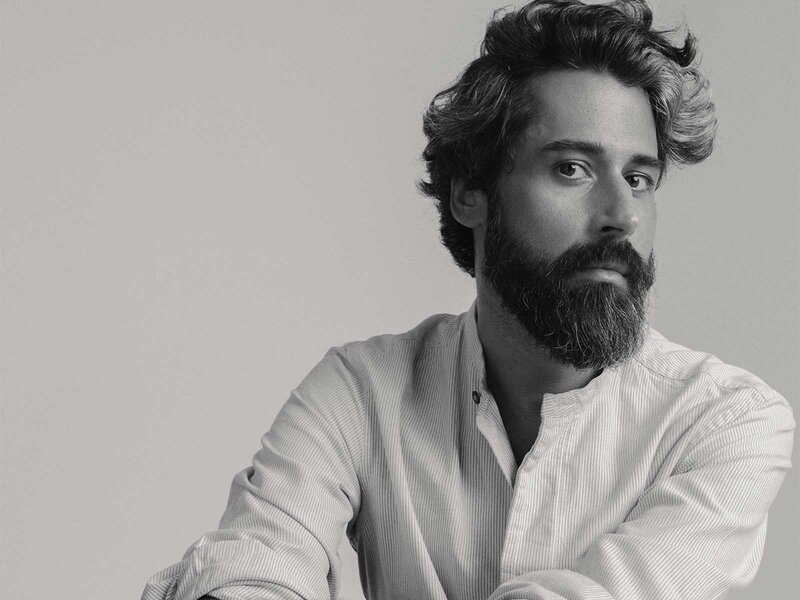
Moises Nieto
Fashion Designer
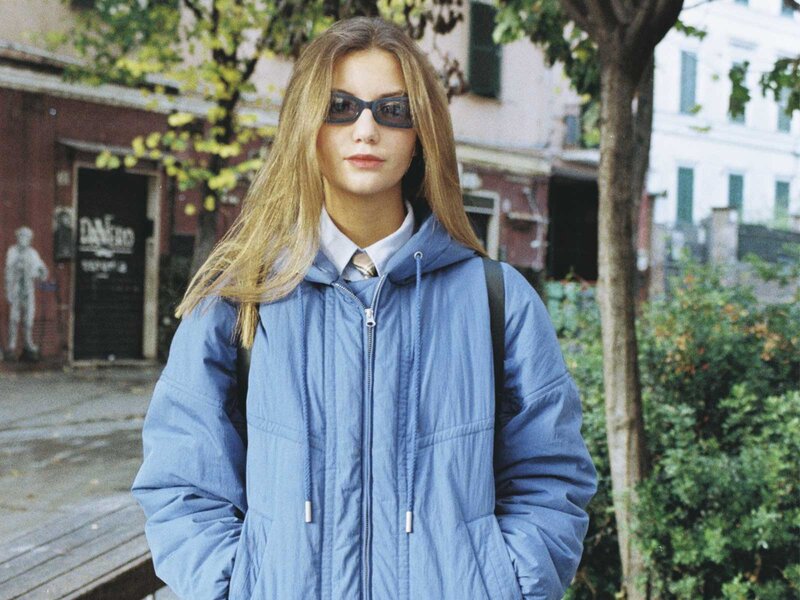
Aurora Bertulli
Visual Artist and Photographer
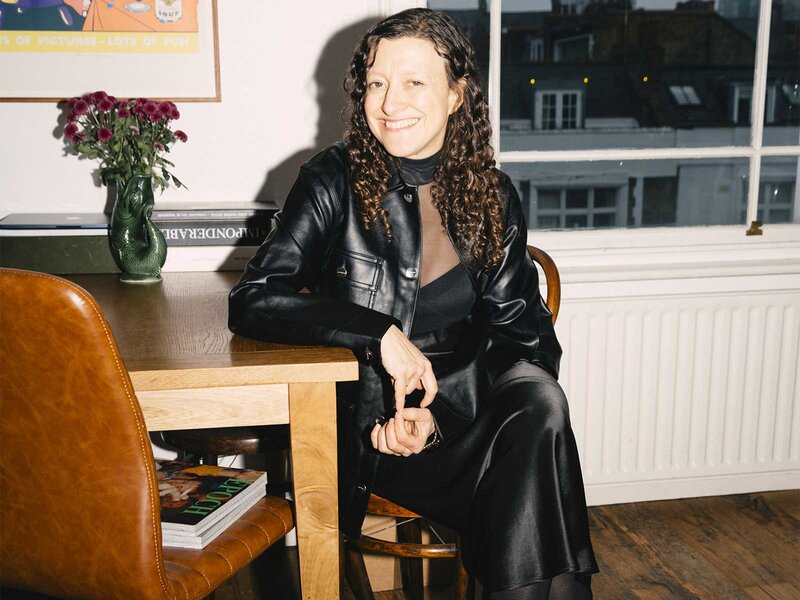
Francesca Gavin
Editor-in-Chief of EPOCH Review and Director of Visual Arts at Murmur.
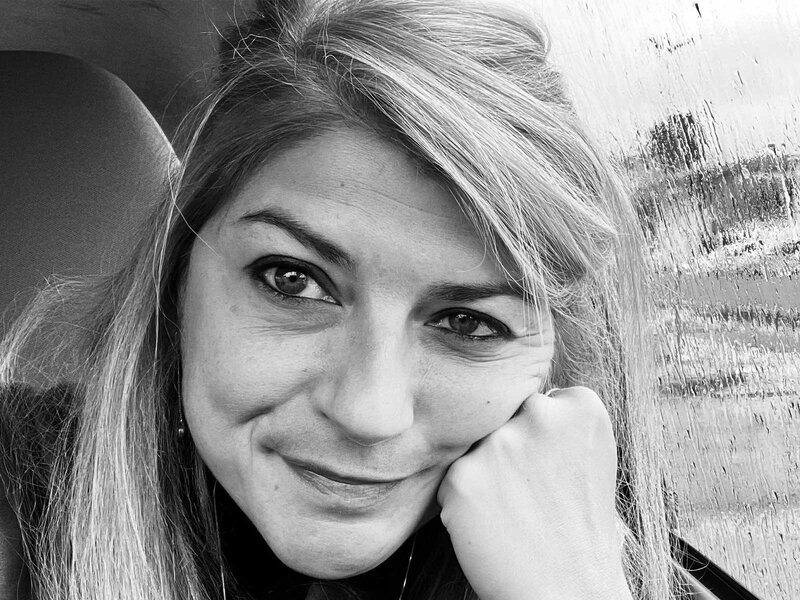
Cristina Moro
Curator and journalist
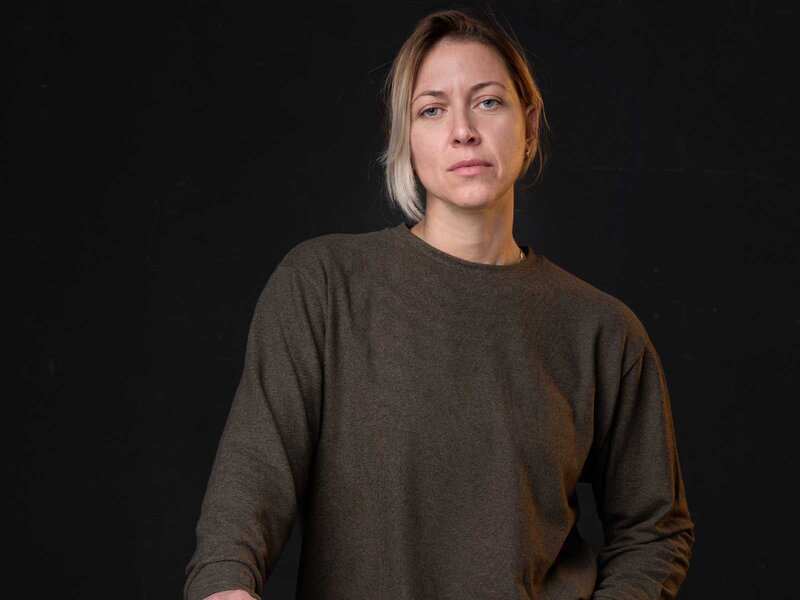
Carlotta Cattaneo
Creative Director
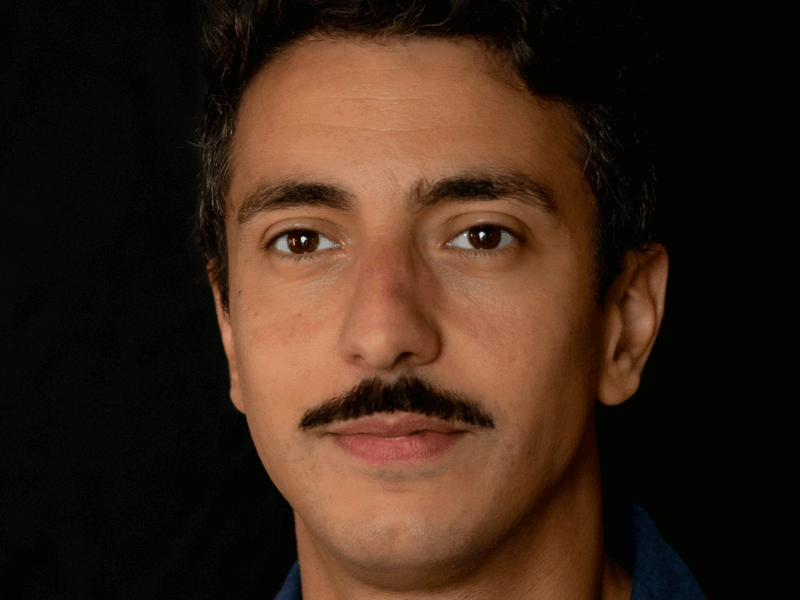
Federico Campagna
Philosopher and Writer
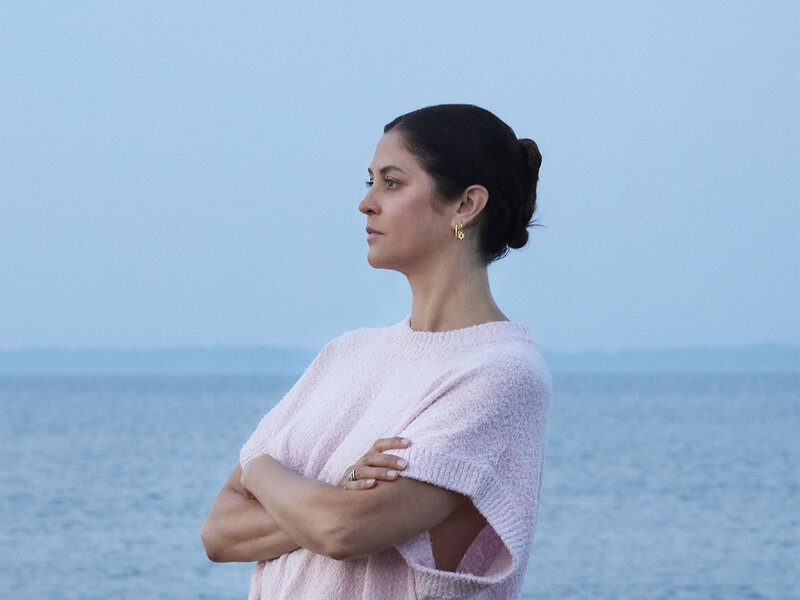
Julia Watson
Designer
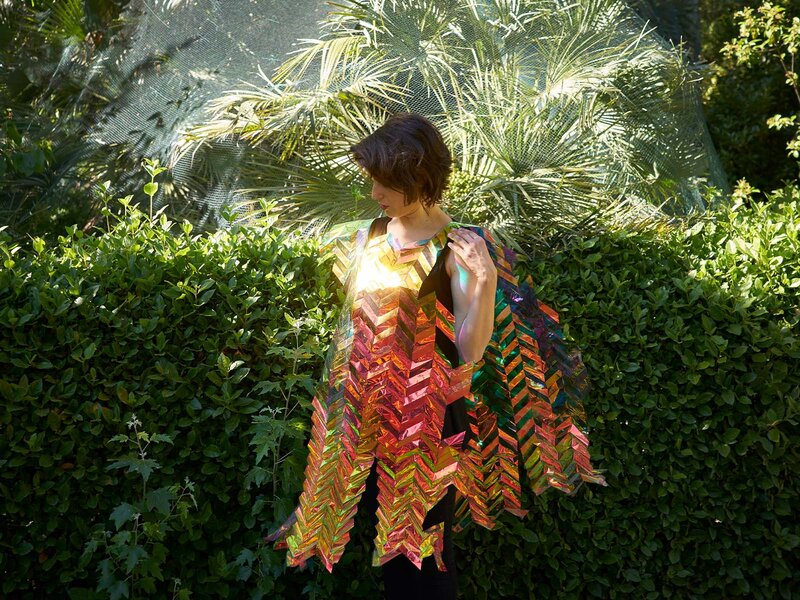
Raquel Buj
Artist
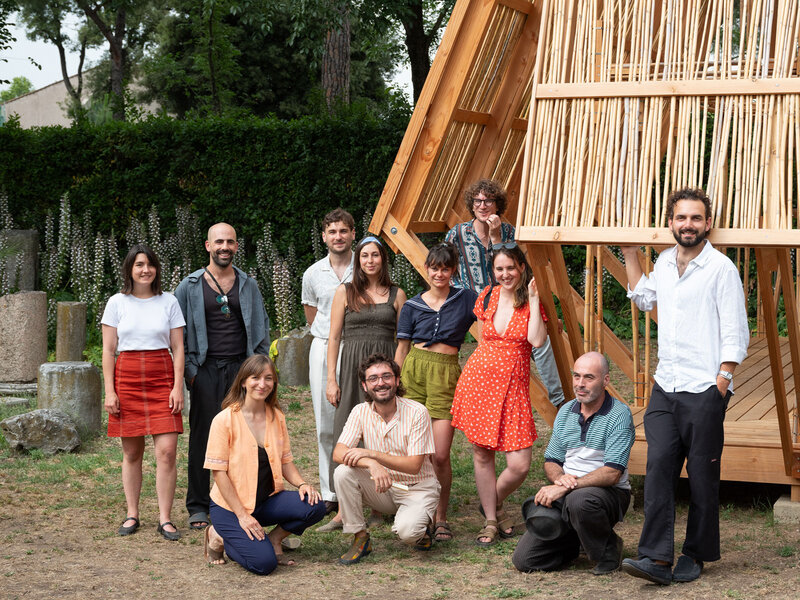
Atelier Mare
Architects, landscape architects, photographers, craftspeople and engineers
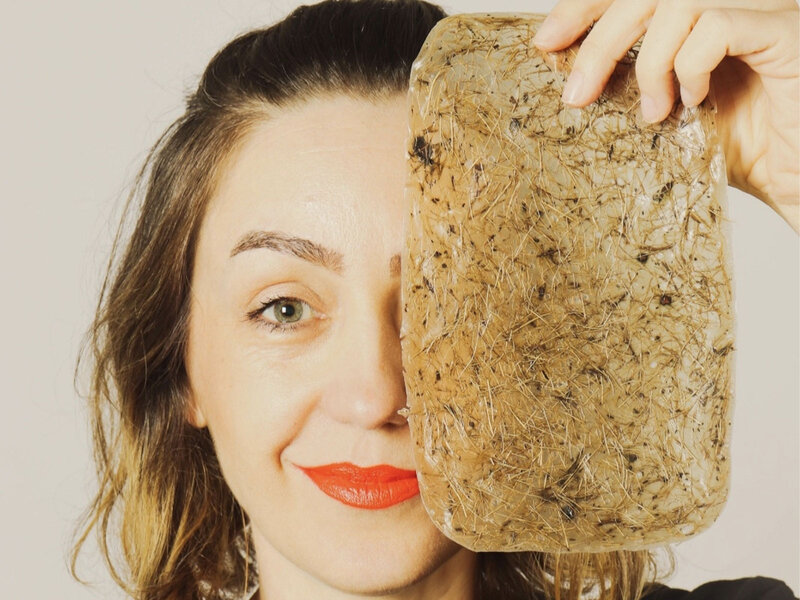
Graziela Niveloni
Architect and Designer
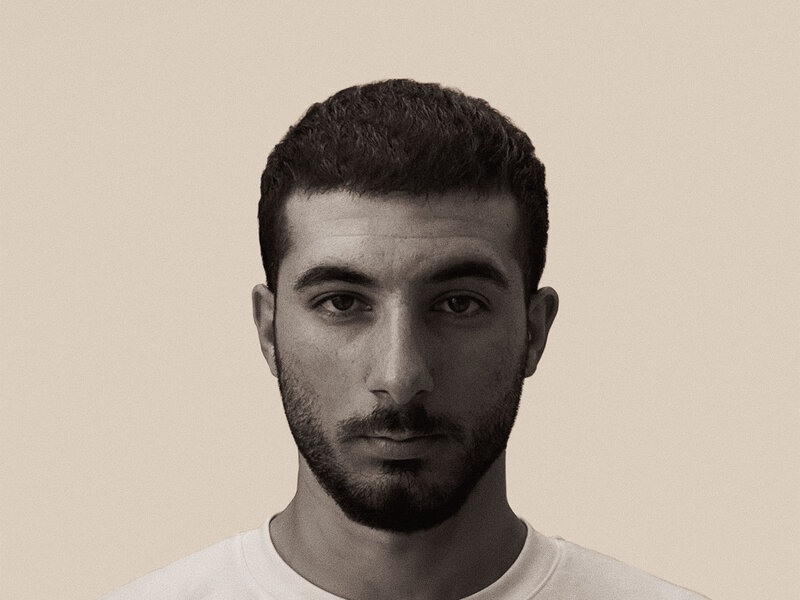
Francesco Saverio Matera
Designer
Past Events
News


